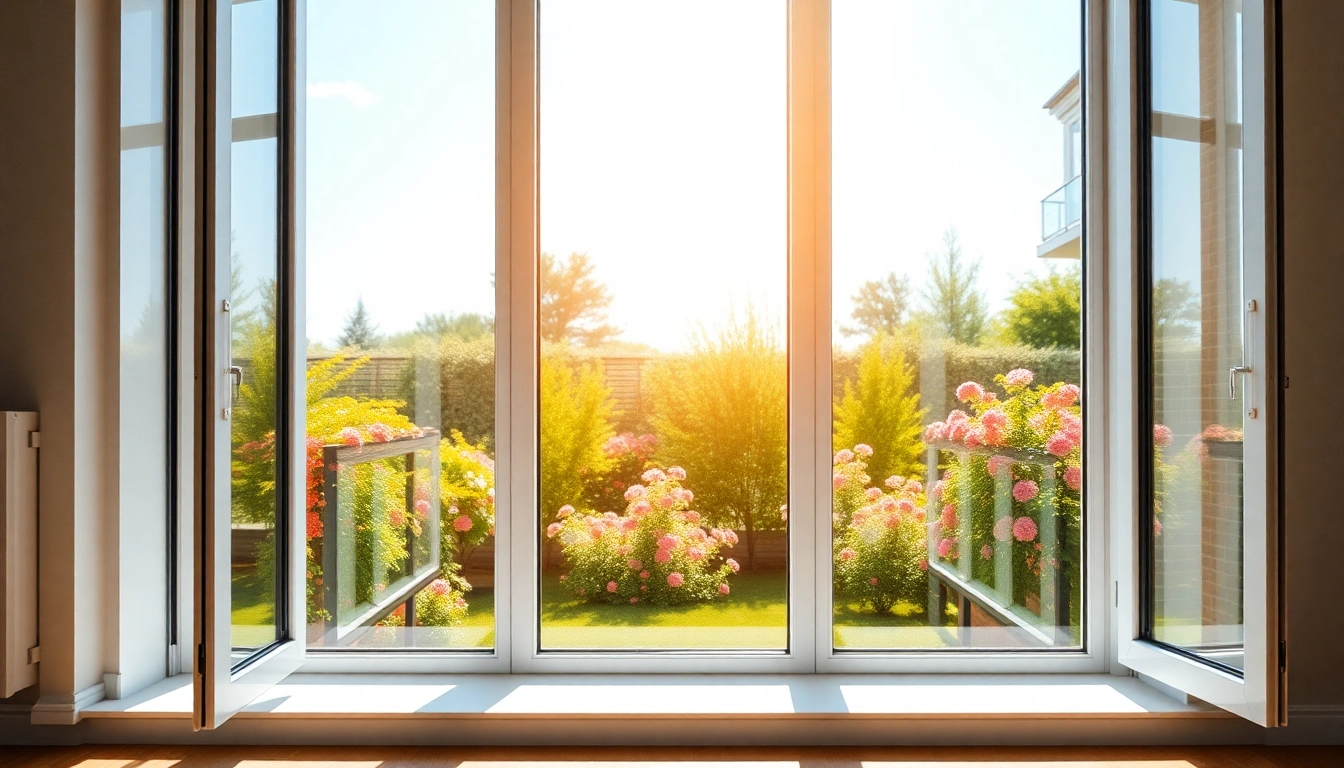
Introduction to double glazed windows
When it comes to home improvement, the choice of windows can dramatically influence not just aesthetic appeal but also energy efficiency and comfort. double glazed windows have emerged as a popular option among homeowners for numerous reasons. In this article, we'll explore what double glazed windows are, how they function, their benefits, and how to select and maintain them for optimal performance.
What Are double glazed windows?
Double glazed windows, also known as insulated glazing units (IGUs), consist of two panes of glass separated by a space filled with air or gas. This space serves as an insulating barrier that reduces heat transfer. The primary purpose of double glazing is to enhance energy efficiency, enabling buildings to retain heat in winter and minimize heat gain in summer, ultimately leading to a more comfortable living environment.
How Double Glazing Works
The mechanism of double glazing revolves around the physics of thermal insulation and soundproofing. When outside temperatures fluctuate, the air or gas trapped between the two panes slows down the transfer of heat. Common gases used in double glazing include argon and krypton, which are more insulating than air. Additionally, the glass panes can be treated with low-emissivity coatings to further enhance their effectiveness in controlling thermal transfer.
Benefits of double glazed windows
Installing double glazed windows offers a multitude of benefits that extend beyond mere aesthetics. They contribute to energy savings, reduce noise pollution, enhance security, and more. Homeowners benefit from reduced energy bills and increased comfort levels year-round, making them a smart long-term investment.
Advantages of double glazed windows
Energy Efficiency
One of the standout advantages of double glazed windows is their superior energy efficiency. By reducing heat loss during winter and preventing heat gain in summer, these windows allow homeowners to maintain their desired indoor temperature more effectively. Adjusting indoor temperature becomes less energy-intensive, lowering reliance on heating and cooling systems and subsequently reducing energy bills. In many cases, homeowners experience savings of 10-25% on their energy expenses after installation.
Noise Reduction
In urban areas or noisy environments, the sound-reducing capabilities of double glazed windows are particularly valuable. The gap between the panes, combined with the thick glass often used in their construction, significantly dampens outside noise. This feature is beneficial not only for comfort but also for maintaining a peaceful atmosphere inside the home, which is especially important for bedrooms and study areas.
Enhanced Security Features
Double glazed windows typically offer better security features compared to single-glazed windows. Their robust construction and multi-point locking systems deter break-ins by making it more difficult for intruders to gain entry. Furthermore, the layers of glass provide resilience against impacts, adding an additional layer of security that gives homeowners peace of mind.
Choosing the Right double glazed windows
Types of double glazed windows
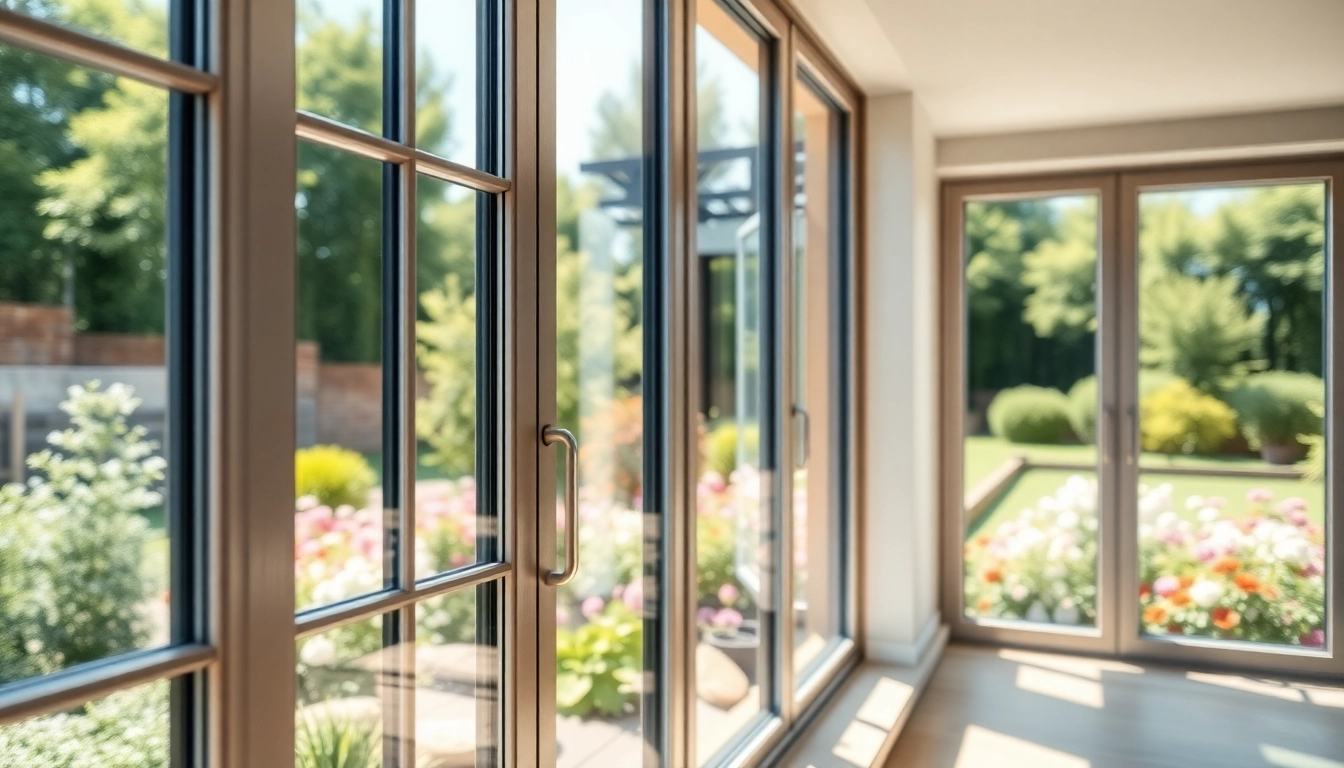
There are various types of double glazed windows available to suit different aesthetic preferences and functional requirements. Common styles include casement windows, sliding windows, sash windows, and picture windows. Each type has its unique features, benefits, and installation requirements, which should be considered based on the specific needs and style of the home.
Material Selection for Frames
The frame material plays a crucial role in the performance of double glazed windows. Common materials include uPVC, wood, and aluminum, each offering different advantages. uPVC frames are energy-efficient and require minimal maintenance, while wooden frames provide a classic aesthetic. Aluminum frames offer durability but may not be as energy-efficient without thermal breaks. The right choice depends on a homeowner's budget, aesthetic preference, and thermal performance needs.
Size and Style Considerations
When selecting double glazed windows, it is essential to consider various size and style options that complement the home’s architecture. The size of the windows impacts natural light penetration and ventilation, so proper measurements and assessments should be conducted. A skilled professional can help guide homeowners in choosing the right styles that correspond to their home’s overall design and functionality.
Installation Tips for double glazed windows
Hiring a Professional Installer
While some homeowners may be tempted to install double glazed windows themselves, hiring a professional installer is often the best option to ensure quality and performance. An experienced installer understands local building codes, has the right tools, and follows installation best practices, which can prevent future issues such as leaks or condensation.
Do-It-Yourself Installation Guide
If you choose to undertake a DIY installation, carefully follow steps to ensure a successful outcome. Start by measuring the window openings accurately, removing old windows, and preparing the new frames. Pay close attention to sealing and insulation during installation to prevent air leaks. Always refer to instructional materials provided by the manufacturer, and consider assistance from knowledgeable friends or family.
Common Mistakes to Avoid
Several common mistakes can arise during the installation of double glazed windows. Failing to account for the size of the openings, overlooking the importance of proper sealing and insulation, and neglecting to check alignment can lead to complications. It is crucial for homeowners to research and be aware of these potential pitfalls to ensure a smooth installation process.
Cost and Maintenance of double glazed windows
Understanding the Costs
The costs associated with double glazed windows vary based on material choice, size, style, and labor installation fees. On average, homeowners can expect to spend between £700 to £1,800 per window. It’s important to consider that investing in quality double glazing may pay off in reduced energy expenses over time, justifying the initial investment.
Long-Term Maintenance Practices
Maintaining double glazed windows is essential for prolonging their lifespan and performance. Regular cleaning, inspecting seals, and addressing any condensation issues early will ensure optimal functioning. Homeowners should also be aware of potential maintenance needs based on the frame material, such as repainting wooden frames or lubricating hardware on uPVC frames.
When to Replace Your double glazed windows
Over time, double glazed windows can wear out due to environmental factors and natural aging. Signs that it may be time to replace them include visible condensation between the panes, deteriorating seals, or noticeable drafts. If these issues arise, it is essential to consult with a window professional who can assess the situation and provide guidance on replacement options.
Frequently Asked Questions
What are the disadvantages of double-glazed windows?
Some common disadvantages include higher initial costs compared to single glazing, potential heat retention in summer, and incompatibility with certain architectural styles. Additionally, they may not be easily repairable if damaged.
How much should a double glazed window cost?
The cost varies by material, size, and complexity but generally ranges from £700 to £1,800 per unit. It's crucial to consider installation costs and energy savings when evaluating the overall investment.
What is the difference between double-pane and double-glazed windows?
Double-pane windows refer specifically to windows with two glass panes, while double-glazed windows generally include the insulating space and the possibility of gas fillings between the panes to enhance thermal performance.
Do double-glazed windows improve home value?
Yes, installing double glazed windows can enhance a home’s value by improving energy efficiency and aesthetic appeal, making the property more attractive to potential buyers.
Are there any specific building regulations for double-glazed windows?
Building regulations may vary by location, but generally, they require energy efficiency standards to be met. Homeowners should always check local guidelines when planning window installations.