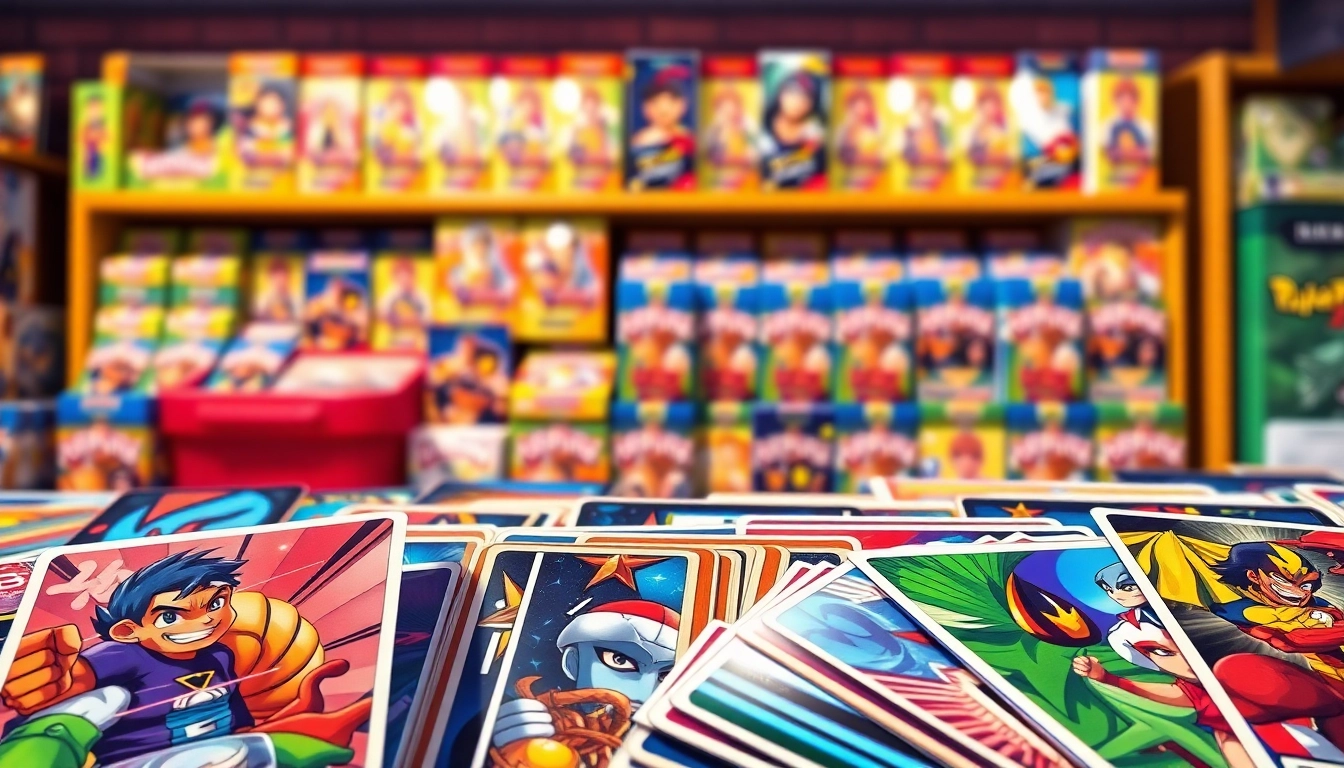
What Are Trading Cards?
Definition and History of Trading Cards
Trading cards are small cards, typically featuring images of people, characters, places, or items, accompanied by descriptive text and statistics. Initially gaining popularity in the late 19th century, these cards were originally designed for promotional purposes tied to products like tobacco and confectionery. The trend quickly expanded into various markets, leading to the creation of dedicated collections covering sports, entertainment, and gaming namespaces.
Types of Trading Cards
Today’s landscape of Trading cards is diverse, encompassing multiple genres:
- Sports Cards: These are perhaps the most collectible, including player statistics and details about games. Popular sports cards feature stars from basketball, baseball, football, and more.
- Entertainment Cards: Often showcasing characters from movies, TV shows, or video games, these cards cater to fans of franchises such as Pokémon or Marvel.
- Trading Card Games (TCGs): These cards are integral to games like Magic: The Gathering and Yu-Gi-Oh!, allowing for strategic gameplay based on the properties of each card.
- Non-Sport Cards: This category includes cards depicting various themes, from historical events to pop culture phenomena.
Significance in Pop Culture
Trading cards have transcended their original purpose and have become a vital part of pop culture. These items foster community among collectors, igniting nostalgia and camaraderie at conventions and local meetups. Their value, both sentimental and monetary, has made them status symbols in various circles, often featured in art collections and media adaptations.
How to Start Collecting Trading Cards
Choosing Your Focus Area
Starting a Trading card collection begins with deciding what type of cards you wish to pursue. This could be influenced by personal interests, such as following a specific sport, game, or franchise. Aligning your collection with your passions makes the process enjoyable and more fulfilling.
Essential Supplies and Tools
To protect and enhance your Trading card collection, invest in the following supplies:
- Card Sleeves: These provide essential protection against wear and tear.
- Binders and Boxes: Organized storage helps ensure your cards are easy to access and reduces the risk of damage.
- Display Cases: For especially valuable or rare cards, display cases can showcase your collection safely.
Finding Communities and Resources
Joining communities, whether online or in person, can transform your collecting journey. Engage with social media groups, attend local card shows, and participate in forums to connect with fellow collectors and share knowledge. Resources like podcasts, blogs, and YouTube channels can provide insights and help you stay updated on the latest trends.
Evaluating Trading Cards Value
Factors Affecting Price
The value of Trading cards fluctuates based on several factors, including rarity, demand, condition, and historical significance. Limited editions or cards featuring popular players often command higher prices than more commonly produced cards.
Popular Marketplaces to Buy and Sell
When buying or selling Trading cards, there are several platforms you can use:
- Online Marketplaces: Websites dedicated to trading cards offer a convenient platform for both buyers and sellers.
- Local Card Shops: Visiting a local shop can allow for hands-on inspection of cards and potential trades.
- Auctions: High-demand cards may fetch premium prices at auction houses, where collectors bid against each other for rare finds.
Tools for Valuation
To properly assess a Trading card's value, consider using valuation guides and pricing indexes available online. Specialty marketplaces often provide tools for comparing prices, helping collectors make informed decisions during transactions.
Maintaining Your Trading Card Collection
Proper Storage Techniques
Storage is critical to maintaining card quality. Always keep Trading cards in a cool, dry environment, away from sunlight and extreme temperatures. Use card sleeves and protective binders to minimize exposure to moisture and dust.
Condition Grading Basics
Understanding grading criteria is vital for collectors. Cards are typically assessed based on their corners, edges, surface, and centering. The grading scale ranges from Mint (perfect condition) to Poor (heavily worn). Accurate grading helps determine a card's market value.
Insurance and Protection Options
For particularly valuable collections, consider investing in insurance to protect against potential loss, theft, or damage. Specialized insurance policies can cover your collection's value or protect against specific risks tailored for collectors.
Common Mistakes to Avoid in Trading Card Collecting
Overpaying for Cards
One of the most common pitfalls is overvaluation. Always research the market value of the Trading card you wish to buy. Utilize price guides and recent sales data to ensure you're not paying more than necessary.
Ignoring Authenticity
Authenticity is crucial in the trading card world. Be cautious of counterfeit cards by examining details such as print quality and material. Seeking third-party authentication for high-value cards is a wise step to ensure legitimacy.
Neglecting Research and Trends
The Trading card market is dynamic. Keep up with trends and fluctuations in demand. Following industry news and participating in communities can provide insights into cards that may become valuable in the future.
Frequently Asked Questions
1. What are the best Trading cards to collect?
The best Trading cards depend on personal interests and market trends. Popular options include sports cards, Pokémon, and Magic: The Gathering cards.
2. How do I store my Trading cards properly?
Use protective card sleeves, binders, and boxes in a cool, dry environment to shield your Trading cards from light and moisture.
3. What affects the value of Trading cards?
Factors include rarity, condition, demand, and historical significance. High-demand cards typically command better prices.
4. Where can I buy or sell Trading cards?
You can buy or sell Trading cards on online marketplaces, local card shops, and auction houses. Research your options to choose the best for your needs.
5. Should I get my Trading cards graded?
Grading can enhance a card's value, particularly for rare or high-demand cards. It adds authenticity and helps collectors understand the condition.
As you embark on your journey into the world of Trading cards, remember to enjoy the process and connect with others who share your passion. For those intrigued by the potential of collections, Trading cards can offer both personal satisfaction and investment opportunities.