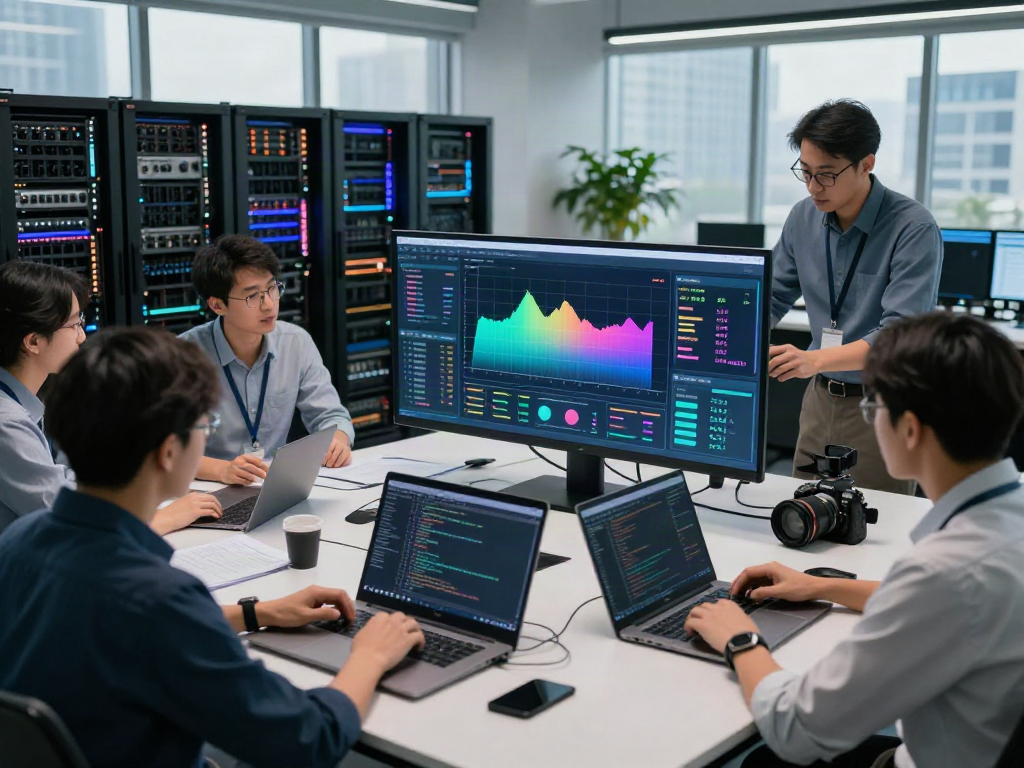
Introduction to AI Video Analytics
In today’s fast pace, data-driven world, the ability to leverage information is more critical than ever. One of the innovative approaches that have gained traction is AI video analytics. This technology merges the power of artificial intelligence with video surveillance systems, allowing real-time analysis of video footage to extract actionable insights. With AI video analytics, businesses and organizations can improve their operational efficiency and enhance security measures significantly.
What is AI Video Analytics?
AI video analytics refers to advanced technologies that analyze video footage using artificial intelligence algorithms. Unlike traditional video surveillance systems that merely record footage, AI-driven video analytics processes and analyzes the data in real time. It can detect specific events, recognize patterns, and differentiate between abnormal and routine behaviors, thereby providing valuable insights that can drive decision-making processes.
Benefits of AI Video Analytics
The implementation of AI video analytics comes with a plethora of benefits, which can be categorized into several key areas:
- Improved Security: AI video analytics enhances security by monitoring real-time video feeds for suspicious activities and promptly sending alerts.
- Operational Efficiency: Businesses can automate processes previously necessitating manual monitoring. This can lead to reduced labor costs and increased productivity.
- Data-Driven Insights: The technology provides measurable insights into customer behavior, traffic patterns, and operational workflows.
- Reduced False Alarms: By improving accuracy and differentiating between typical and abnormal activities, AI minimizes the number of false alarms.
- Cost-Effectiveness: While initial investments may be high, long-term savings through enhanced operational efficiency and reduced incidents can be substantial.
Real-World Applications of AI Video Analytics
AI video analytics transcends across various industries, with applications that are revolutionary:
- Retail: AI analytics can track shopper movements and behaviors, providing insights that can optimize store layouts and enhance customer experience.
- Transportation: Monitoring traffic conditions and identifying patterns can aid in traffic management and accident prevention.
- Education: Schools can monitor student interactions and behaviors, ensuring safety and mitigating bullying incidences.
- Healthcare: Hospitals can use analytics to improve patient safety and tracking within facilities.
- Security: Security personnel can leverage AI for smarter surveillance tactics, ensuring safety in public spaces, airports, and events.
How AI Video Analytics Works
Technology Behind AI Video Analytics
At the core of AI video analytics lies a confluence of computer vision, machine learning, and deep learning algorithms. Computer vision enables the system to interpret video footage, while machine learning algorithms help in identifying objects, people, and various patterns within the frames.
Deep learning enhances this capability by utilizing neural networks for more complex tasks like facial recognition and behavior prediction. This technology hierarchy allows systems to improve over time, adapting based on continuous learning.
Data Processing and Analysis with AI Video Analytics
The processing of data starts with video capture, followed by storage in a digital format. As the video feeds are recorded, AI algorithms analyze behaviors and activities in real-time. Advanced systems are also equipped to correlate video feeds with contextual data, such as historical records and additional sensor inputs, leading to comprehensive insights.
AI video analytics typically operates through the following steps:
- Data Collection: Video footage is gathered from surveillance cameras.
- Pre-processing: The raw footage is cleaned and prepared for analysis.
- Feature Extraction: Specific characteristics (like movement patterns) are extracted.
- Analysis: AI algorithms analyze data to identify anomalies or patterns.
- Outcome Generation: Insights are presented through dashboards or alerts.
Machine Learning's Role in AI Video Analytics
Machine learning plays a pivotal role in enhancing the efficacy of AI video analytics. By learning from data, the system can improve its accuracy over time, recognizing specific patterns and behaviors that may be indicative of unusual activities.
For example, a retail store's system could learn that increased foot traffic typically occurs on weekends. If it detects unusual foot traffic patterns during a week day, it might alert security personnel of a potential issue. The ability to constantly evolve with new data makes machine learning an indispensable component of AI video analytics.
Implementing AI Video Analytics in Your Organization
Steps to Integrate AI Video Analytics
- Define Goals: Clearly outline the objectives you aim to achieve with AI video analytics, whether it's improving security, operational efficiency, or gathering customer insights.
- Choose the Right Technology: Research and select AI video analytics software that aligns with your specific requirements.
- Evaluate Existing Infrastructure: Assess your current video surveillance system and determine necessary upgrades or modifications.
- Implement: Begin the installation of the AI video analytics system, including cameras, storage solutions, and analytic software.
- Training: Ensure staff and security personnel receive training to fully utilize new capabilities.
- Monitor and Optimize: After implementation, continuously monitor the system’s performance and make adjustments as necessary.
Best Practices for Effective Use of AI Video Analytics
Maximizing the benefits of AI video analytics requires a strategic approach:
- Engage Stakeholders: Involve departments such as IT, security, and management in the integration process to ensure alignment across the organization.
- Data Privacy: Implement measures to ensure compliance with data privacy regulations and maintain ethical standards.
- Regular Updates: Regularly update technology and software to keep up with advancements in AI capabilities.
- Feedback Loop: Establish a feedback mechanism to continuously gather insights from users and optimize the analytics system accordingly.
- Measure Impact: Regularly assess the effectiveness of AI insights on operational goals to adjust strategies as needed.
Common Challenges and Solutions in AI Video Analytics
While AI video analytics offers numerous advantages, various challenges can arise during implementation and usage. Understanding these challenges can prepare organizations to respond proactively:
- Data Overload: The sheer volume of video data can be overwhelming; implementing effective filters and focusing on high-priority feeds can mitigate this issue.
- Integration Issues: Compatibility with existing systems can be problematic; choosing flexible solutions and consulting with IT experts can alleviate these challenges.
- Employee Resistance: Staff might be hesitant to adapt to new technologies; providing comprehensive training and showcasing benefits can encourage acceptance.
- Privacy Concerns: Mismanagement of data can lead to privacy violations; establishing clear policies and guidelines for data usage can help maintain trust and compliance.
Performance Metrics for AI Video Analytics
Evaluating Success with AI Video Analytics
The success of AI video analytics can be measured through key performance indicators (KPIs) that relate directly to your organizational goals:
- Incident Reduction Rate: Measure the decrease in security incidents post-implementation.
- Response Time: Track changes in response times to alerts generated by the system.
- Operational Cost Savings: Evaluate the reduction in cost pertaining to manual monitoring and security operations.
- User Engagement: Measure how often personnel engage with the AI analytics dashboards or insights.
- False Alarm Rate: Monitor the frequency of false alarms to assess the accuracy of the analytics.
Key Performance Indicators for AI Video Analytics
Some specific KPIs you can monitor include:
- Detection Accuracy: The percentage of accurate detections made by the system.
- System Downtime: Track the amount of time the analytics system is non-operable.
- User Satisfaction: Regular surveys to gauge personnel satisfaction with the analytics system.
- Insight Utilization Rate: Measure how often generated insights are acted upon.
- ROI: Calculate return on investment for technology, looking at tangible outputs against initial costs.
How to Optimize AI Video Analytics Results
To maximize the impact of AI video analytics, consider the following strategies:
- Regular Training: Continue educating staff on new features and slipping updates.
- Stakeholder Input: Gather ongoing feedback from various departments to drive improvements.
- Integrate with Other Systems: Connect AI video analytics with other data sources for enhanced insights.
- Customize Alerts: Tailor alerts to specific scenarios relevant to the organization to increase relevance and reduce noise.
- Strategic Review Sessions: Conduct periodic reviews to evaluate performance and adapt strategies.
Future Trends in AI Video Analytics
Emerging Technologies in AI Video Analytics
The landscape of AI video analytics is continuously evolving, with emerging technologies expected to shape its future:
- Edge Computing: This technology processes data closer to its source, reducing latency and improving real-time analysis capabilities.
- Federated Learning: Allows AI models to learn from data securely across multiple devices without centralized data collection.
- Enhanced AI Models: As AI algorithms become more sophisticated, expect improvements in accuracy and capabilities for recognizing complex behaviors.
- Integration with IoT: Enhanced integration of AI video analytics with IoT devices offers dynamic insights across operational ecosystems.
- Augmented Reality: The utility of AR can improve video feed visualization, creating layered insights for operators in real-time context.
The Growing Importance of AI Video Analytics
As organizations increasingly rely on digital transformation, the role of AI video analytics is projected to expand significantly. This technology is not merely a trend; it’s becoming essential for safety, efficiency, and operational misconduct detection. The real time capabilities paired with deep learning will allow organizations to make informed decisions quickly, enhancing strategic responsiveness.
Predictions for AI Video Analytics in the Next Decade
Looking to the future, several predictions can be made regarding AI video analytics:
- Universal Adoption: More industries will adopt AI analytics to enhance security and optimize operations.
- AI Empowerment: Greater emphasis on empowering AI to generate predictive insights that can preemptively identify threats or operational inefficiencies.
- Widespread Regulatory Frameworks: As privacy concerns increase, expect new regulations governing video surveillance techniques and data analytics.
- Advancements in Human-AI Interaction: Evolution of user interfaces that facilitate easier interaction between humans and AI analytics systems.
- Ethical AI Practices: An emphasis on developing ethical AI practices will lead organizations to ensure integrity, transparency, and fairness in AI video analytics.
FAQs
What are the primary features of AI video analytics?
AI video analytics includes real-time data processing, pattern recognition, event detection, and alert systems that enhance security and operational efficiency.
How does AI video analytics differ from traditional video surveillance?
Unlike traditional systems, AI video analytics analyzes video feeds in real time, detecting anomalies and insights using advanced algorithms for smarter monitoring.
What industries benefit from AI video analytics?
Industries such as retail, transportation, education, and security leverage AI video analytics for improved safety, customer insights, and operational efficiency.
Can AI video analytics reduce false alarms?
Yes, AI video analytics enhances accuracy by filtering out irrelevant activities, significantly reducing false alarms associated with traditional surveillance systems.
What is the typical implementation timeline for AI video analytics?
Implementation timelines vary but usually range from a few weeks to several months, depending on system complexity and integration with existing infrastructure.