Understanding the Appeal of Treehouses
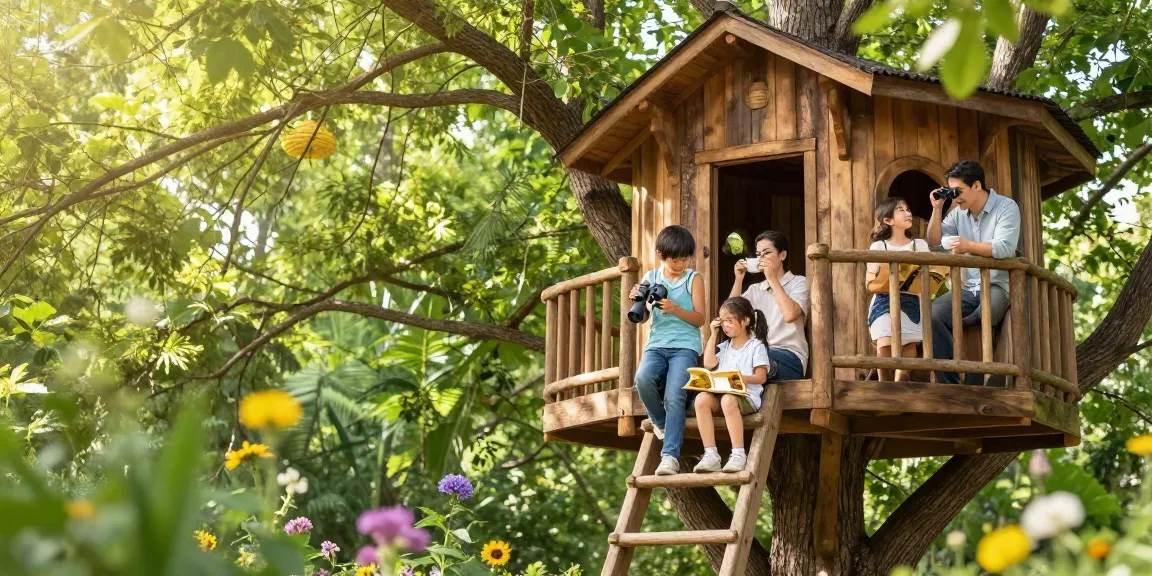
The allure of treehouses resonates with both the adventurous spirit of children and the nostalgic memories of adults. These remarkable structures offer a unique blend of nature and architecture, allowing individuals to experience the serenity of the outdoors while enjoying the comforts of home. From simple play areas to luxurious retreats, the appeal of treehouses spans generations and lifestyles.
What are treehouses?
Treehouses are elevated structures nestled within or among trees, typically designed for recreational purposes or as unique living spaces. Historically, they have served various functions, from children’s playhouses to full-fledged homes or rental accommodations. Modern treehouses can be constructed with an array of materials including wood, glass, and metal, offering a diverse range of aesthetics and functionalities.
The benefits of having a treehouse
- Connection to Nature: Treehouses provide an immersive experience in nature, promoting relaxation and mental well-being.
- Unique Living Space: They can serve as a creative getaway from everyday life, making them perfect for retreats or family bonding.
- Increased Property Value: Well-designed treehouses can enhance the aesthetic appeal of a property, potentially increasing its market value.
Historical significance and modern trends
Historically, treehouses have been symbols of adventure and childhood freedom. In recent years, however, they have evolved into luxury accommodations, with trends leaning towards sustainable architecture and eco-friendly materials. This transition highlights a growing societal appreciation for environmental consciousness and unique experiences in travel and leisure.
Costs Associated with Building Treehouses
Initial investment and materials
The cost of constructing a treehouse can vary significantly based on size, design, and materials used. Basic designs can be relatively inexpensive, while luxury models involving high-end materials and intricate designs may require a substantial investment. On average, one might expect to spend between £3,000 to £30,000 on construction. Selecting sustainable materials can often lead to long-term savings and environmental benefits.
Ongoing maintenance costs
Like any other structure, treehouses require maintenance to ensure their safety and longevity. This includes regular inspections, treating wood for pests, and any necessary repairs after harsh weather conditions. Annually budgeting for about 5% of the initial construction cost can provide a good estimate for ongoing maintenance.
Cost comparisons with traditional housing
When juxtaposing treehouses with traditional homes, the financial implications can differ vastly. While treehouses may involve lower upfront costs for smaller designs, the challenge lies in their limited living space and functionality. In contrast, traditional houses offer more extensive space and amenities, though they come with higher ongoing costs. For many, the decision to invest in a treehouse over a traditional home depends on lifestyle preferences and intended use.
Treehouse Designs and Features
Innovative designs for modern treehouses
Modern treehouses are breaking the mold with innovative design elements that provide comfort, style, and usability. Many contemporary designs include large windows for panoramic views, multiple levels for spaciousness, and integrated technology such as solar panels and Wi-Fi connectivity. Notable examples include treehouses with gourmet kitchens, luxurious bathrooms, and stylish furnishings, catering to the luxury market.
Features that enhance living spaces
- Decks and Balconies: Outdoor spaces that extend living areas and provide stunning views.
- Eco-Friendly Systems: Incorporating rainwater collection and composting toilets for sustainable living.
- Multifunctional Interiors: Utilising space-saving furniture that transforms to serve multiple purposes.
Eco-friendly building practices
The rising trend towards eco-friendliness is evident in the construction of treehouses. Sustainable materials like reclaimed wood, bamboo, and environmentally friendly paints are becoming more common. Additionally, many builders are adopting practices such as modular construction, which reduces waste and energy consumption during the building process.
Location and Regulations
Choosing the right location for a treehouse
Selecting an ideal location for a treehouse involves careful consideration of several factors. Factors such as sun exposure, wind patterns, and the type of trees are critical for ensuring safety and comfort. Accessibility is also key, especially if the treehouse is intended for guests or children.
Understanding local building codes
Before embarking on the construction of a treehouse, it is essential to research local regulations and building codes. Many jurisdictions may require permits for treehouses, especially if they are intended for rental purposes or if they exceed certain height requirements. Engaging with local authorities can help ensure compliance and avoid potential fines or necessary modifications.
Impact of regulations on investment
The regulatory environment surrounding treehouses can significantly influence the return on investment. Properties that meet local building codes and regulations are often more valuable and easier to sell. Understanding these regulations ahead of time can prevent costly investments in designs or locations that may not be permitted.
Future Trends in Treehouses
2026 and beyond: Design predictions
As we look towards 2026, it is likely that the trend of innovative and sustainable treehouses will only continue to grow. Advancements in building materials and technology, such as 3D printing and modular construction, are expected to lead to even more creative designs that harmonize with nature while offering modern conveniences.
The rise of luxury treehouses
Luxury treehouse accommodation is on the rise, particularly in tourist hotspots. These high-end treehouses appeal to individuals looking for unique vacations that combine adventure with comfort. Features like private hot tubs, gourmet kitchens, and scenic views position them as desirable options in the niche travel market.
Combining treehouses with sustainable living practices
As environmental awareness grows, many are choosing treehouses as a viable option for sustainable living. By combining eco-friendly materials and living practices, treehouses can serve as a practical solution for individuals looking to reduce their environmental footprint while enjoying the benefits of an unconventional lifestyle.
What makes treehouses a unique investment?
Treehouses stand out in the investment landscape for their ability to blend functionality with leisure. They provide a unique asset that can be both a personal retreat and a rental opportunity. As trends continue to shift towards experiential living, the value of treehouses is likely to appreciate, especially in areas popular with tourists or nature enthusiasts.
How treehouses can increase property value?
Investing in a well-constructed treehouse can add substantial value to a property. Not only do they enhance the aesthetic appeal of outdoor spaces, but they also create additional living areas that can attract potential buyers. Properly marketed, a treehouse can significantly differentiate a property in competitive real estate markets.
Are treehouse vacations worth it?
The appeal of treehouse vacations lies in their unique experience. They offer a chance to disconnect from daily life and embrace nature, often leading to rejuvenation and relaxation. Although they may come with a higher price tag than traditional lodging, the memories created and the experiences shared often justify the investment for many travellers.