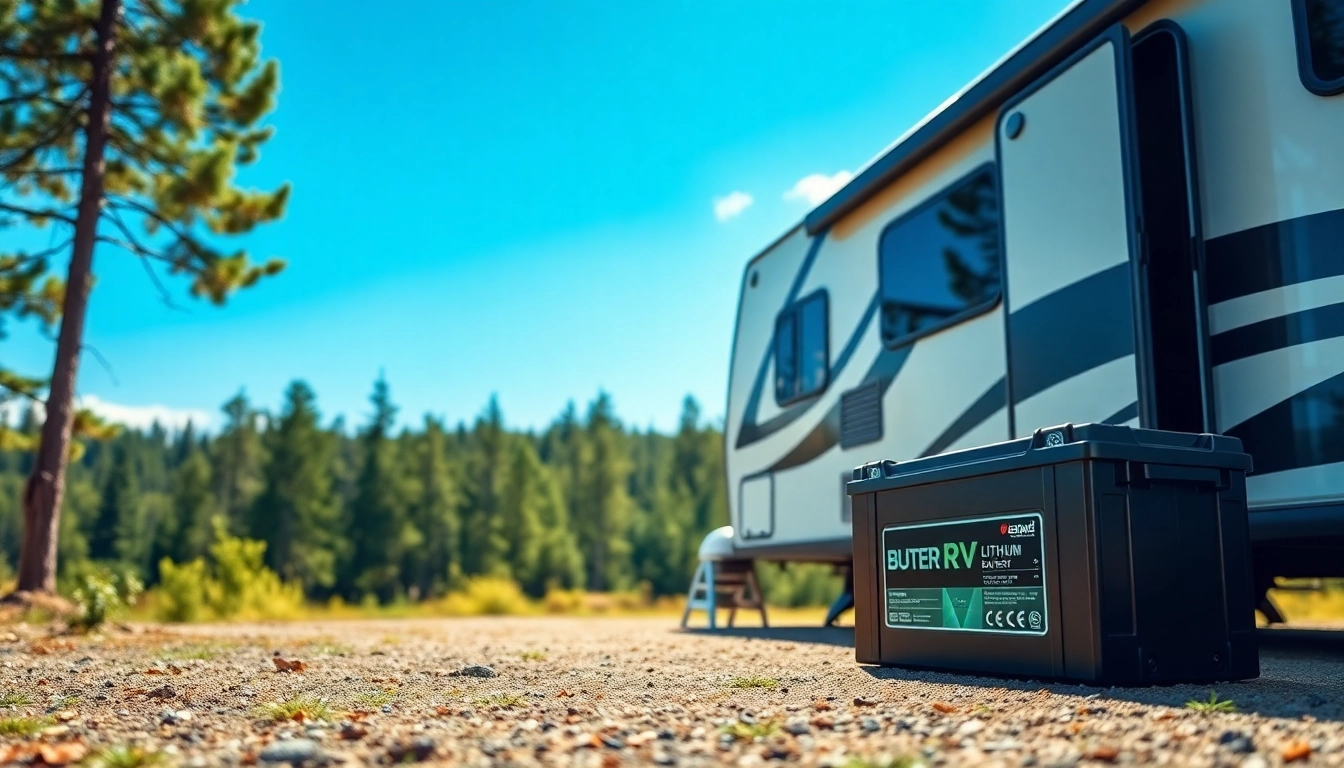
Benefits of Lithium RV Batteries
When it comes to enhancing energy storage for RVs, lithium RV batteries stand out for a myriad of reasons. Designed for durability and efficiency, these batteries have become the preferred choice among RV enthusiasts. Here we explore the multifaceted benefits of lithium RV batteries, from their cost-effectiveness to their sustainability.
Cost-Effectiveness Over Time
At first glance, lithium RV batteries may appear to have a higher upfront cost than traditional lead-acid batteries. However, their long-term cost-effectiveness is undeniable. Lithium batteries possess a longer life cycle, lasting up to 10 times longer than their lead-acid counterparts. This extended lifespan translates into fewer replacements and reduced overall expenses over time. Additionally, lithium batteries have a higher depth of discharge (DoD), allowing users to draw more usable power without harming the battery, further enhancing their cost-effectiveness.
Weight and Size Advantages
One of the most significant benefits of lithium RV batteries is their lightweight and compact nature. Lithium batteries are significantly lighter than traditional lead-acid batteries, which can help reduce the overall weight of the RV. This reduction is beneficial for fuel efficiency and enhances maneuverability. Moreover, lithium batteries occupy less space, providing more flexibility in installation without compromising storage options within the RV.
Environmental Impact and Sustainability
In an age where sustainability is paramount, lithium RV batteries make a compelling case. Lithium-ion batteries are generally more environmentally friendly than their lead-acid counterparts. They do not contain toxic materials, and the components are more recyclable. Additionally, their efficient energy use—coupled with the ability to integrate renewable energy sources (like solar panels)—supports eco-friendly travel practices and minimizes carbon footprints.
Types of Lithium RV Batteries
Understanding the different types of lithium batteries available on the market is essential for any RV owner looking to upgrade their power systems. Two common types include lithium iron phosphate (LiFePO4) and traditional lithium-ion batteries. Each has unique features and benefits that cater to various needs.
Differences Between LiFePO4 and Li-ion
While both LiFePO4 and lithium-ion batteries are lightweight and efficient, they exhibit distinct characteristics. LiFePO4 batteries are known for their thermal stability and safety, making them an ideal choice for RV applications. They offer longer life cycles and can endure more charge and discharge cycles compared to typical Vatrer Power lithium-ion batteries. In contrast, lithium-ion batteries may pack a higher energy density, but their lifespan tends to be shorter, and they can be more prone to overheating. Therefore, for most RV applications, LiFePO4 batteries are typically the preferred choice due to their reliability and performance.
How to Choose the Right Capacity
Selecting the right capacity for your lithium RV battery is crucial and involves assessing power needs based on your usage. Consider the devices you intend to power, such as appliances, lighting, and any additional electronics. As a general guideline, a capacity of 100Ah is recommended for basic RV setups, while larger setups with numerous power demands may require batteries rated at 200Ah or more. Calculating your energy needs accurately can help prevent power shortages during your adventures.
Popular Features to Look For
When selecting lithium RV batteries, there are several important features to consider. Look for batteries with built-in BMS (Battery Management Systems) that provide protections against overcharging, over-discharging, and short-circuiting. Consider choosing models with fast charging capabilities, which can significantly reduce downtime. Other appealing features include Bluetooth monitoring for real-time tracking of battery status and smart technologies that optimize charging cycles for better longevity.
Installation Guide for Lithium RV Batteries
Installing lithium RV batteries can be straightforward, provided that the right safety precautions and steps are observed. Proper installation ensures that you get the most out of your battery investment.
Safety Precautions Before Installation
Prior to installing your lithium RV batteries, ensure that you understand the safety precautions necessary for a successful installation. Always disconnect existing batteries to prevent short circuits. Additionally, wear protective gear such as gloves and goggles, and work in a well-ventilated area to minimize exposure to potentially harmful chemicals or gases.
Steps to Properly Install Your Battery
- Determine the optimal location for your new battery, ensuring it’s level, well-ventilated, and easily accessible.
- Install the battery tray to secure the new lithium battery in place.
- Connect the positive terminal first, followed by the negative terminal to prevent potential arcs.
- Double-check all connections for tightness and ensure no wires are exposed.
- Secure all covers and ensure the area is free from any potential hazards.
Common Mistakes to Avoid
While installation can be simple, there are common mistakes to avoid. One common error is improperly connecting terminals, which can lead to serious damage. Additionally, neglecting to secure the battery can lead to movement while driving, resulting in damage to the battery or surrounding components. Always take your time during installation to ensure everything is done correctly.
Maintenance Tips for Longevity
To maximize the lifecycle of your lithium RV batteries, proper maintenance practices are essential. Here are some tips to ensure longevity and optimal performance.
Regular Checkups and Monitoring
Establish a routine checkup schedule to verify battery connections and inspect for any signs of wear or corrosion. Regularly monitor your battery’s charge level using built-in features or an external voltmeter to avoid deep discharges that can reduce battery lifespan.
Cleaning and Care Practices
Keeping your lithium RV batteries clean is vital to maintain optimal performance. Periodically wipe down the exterior with a damp cloth to remove dust and debris. Ensure connections remain clean and free of corrosion by using appropriate cleaning solutions designed for battery terminals.
Optimal Charging Techniques
For proper charging, always use a charger that is specifically rated for lithium batteries. Avoid overcharging, as this can significantly reduce battery life. Opt for smart chargers that automatically adjust voltage and current based on your battery’s condition, providing a more efficient charging process.
Future Trends in Lithium RV Batteries
The realm of lithium RV batteries is rapidly evolving, and staying informed about trends can ensure you make the best investment in your RV energy management.
Innovations on the Horizon
The future of 12V 300Ah Lithium Battery promises several exciting innovations. Enhancements in battery chemistry could lead to even lighter batteries with higher energy densities. Furthermore, the integration of eco-friendly materials and advanced recycling processes will likely reduce environmental impacts while boosting performance.
Predicted Market Trends
As RV ownership grows, the demand for efficient power solutions is projected to increase. This trend fosters greater competition within the battery market, which could drive prices down while increasing the availability of advanced technologies, making lithium batteries more accessible for consumers.
The Role of Smart Technologies
Smart technologies are becoming integral to battery management systems. Enhanced monitoring apps and software that connect users to their batteries can provide insights into performance and usage patterns. These tools empower RV owners to maximize efficiency and extend battery life through data-driven decisions.
FAQs About Lithium RV Batteries
1. Are lithium batteries worth it for an RV?
Yes, lithium RV batteries offer a longer lifespan, higher capacity, and lighter weight compared to lead-acid options, making them a cost-effective choice in the long run.
2. How long does a lithium RV battery typically last?
Lithium RV batteries can last up to 10 years or more depending on usage, maintenance, and specific battery care practices that protect against damage.
3. Can I use a lead-acid charger for lithium batteries?
No, using a lead-acid charger can damage lithium batteries. Always use a charger specifically designed for lithium chemistry for optimal charging.
4. What type of lithium battery is recommended for RVs?
LiFePO4 (lithium iron phosphate) batteries are highly recommended for RV use due to their safety, longevity, and stable performance under various conditions.
5. How can I enhance my battery’s lifespan?
Regular monitoring, appropriate charging techniques, and maintaining clean terminals can significantly enhance the lifespan of your lithium RV batteries.