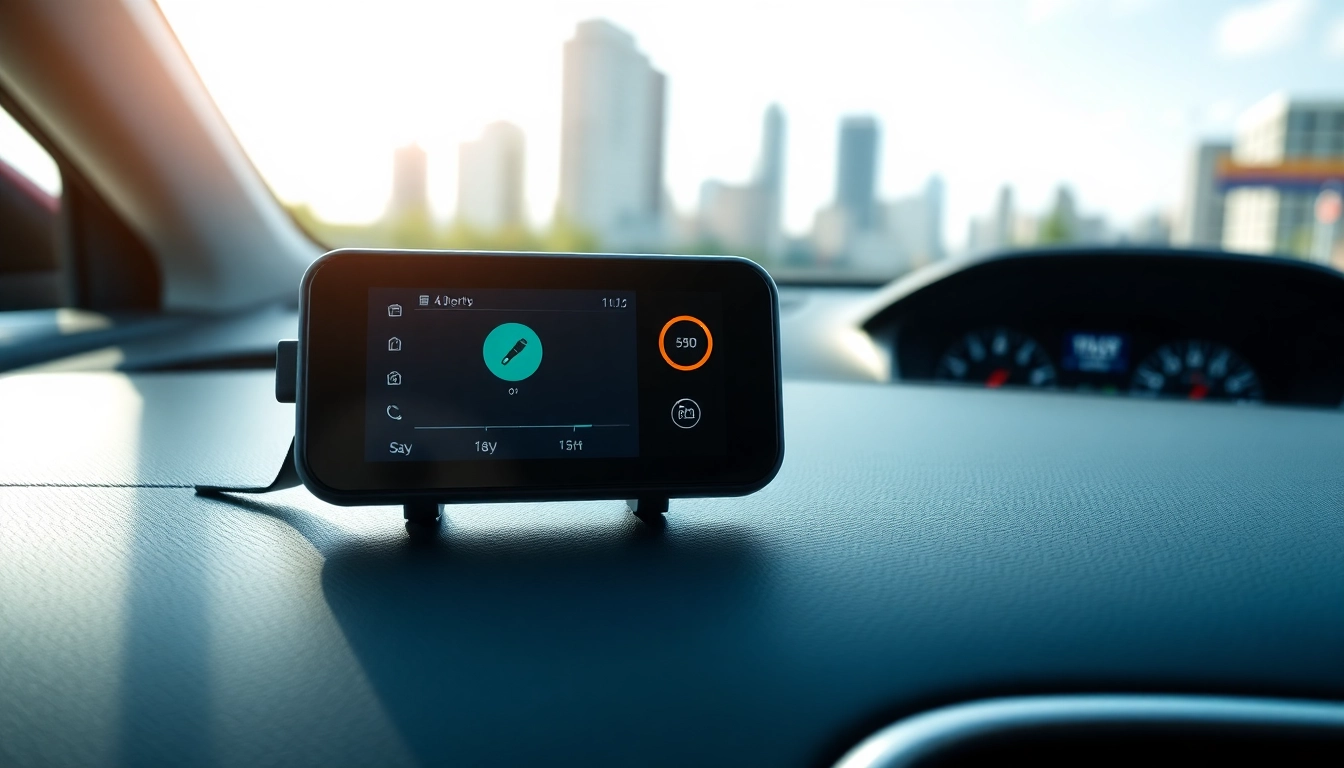
Understanding Insurance Approved Trackers
In today's world, securing your vehicle is more crucial than ever. A significant advancement in vehicle security comes from the implementation of Insurance approved trackers. These devices not only offer enhanced security but can also lower your insurance premiums, making them a wise investment for any vehicle owner.
What are Insurance Approved Trackers?
Insurance approved trackers are GPS devices that have been validated by insurance companies to meet specific standards of reliability and effectiveness. They are primarily designed to locate your vehicle in case of theft. These devices often integrate advanced technology to provide real-time tracking, geofencing, and theft alerts, enhancing the overall safety of your vehicle.
How Do They Work?
Insurance approved trackers work by utilizing GPS technology to monitor the location of your vehicle. When a vehicle with an installed tracker goes missing, the device sends information regarding its location to a monitoring center. The data can be accessed online or through a mobile application, allowing users to track their vehicles anywhere in real-time. The integration with the insurance companies often means that in case of theft, the retrieval process is expedited.
Benefits of Using Insurance Approved Trackers
There are numerous benefits to using insurance approved trackers:
- Increased Security: They significantly reduce the chances of vehicle theft.
- Insurance Discounts: Many insurance providers offer reduced premiums for vehicles equipped with these devices.
- Real-Time Monitoring: Users can monitor their vehicle's location in real-time.
- Enhanced Recovery Rates: Recovery rates for stolen vehicles are notably higher with these devices installed.
- Geofencing: Some models allow you to set boundaries and get alerts when these are breached.
Types of Insurance Approved Trackers
GPS Trackers
These are the most common type, utilizing satellite technology to provide precise geographical location data. Users can access real-time maps and receive instant alerts about unauthorized movements. GPS trackers can be found as standalone devices or integrated into the vehicle's system.
OBD-II Trackers
OBD-II trackers connect to the On-Board Diagnostics port of a vehicle. They offer insights not only into location but also into vehicle diagnostics, such as fuel efficiency and error codes. This type is particularly beneficial for those interested in monitoring vehicle health as well as location.
Bluetooth Trackers
Bluetooth trackers provide a range similar to that of a Bluetooth device, which is usually about 100 meters. While these trackers aren't typically used for complete theft recovery, they help track vehicles in a tight vicinity, such as parking lots or garages.
Comparing Popular Insurance Approved Trackers
Features to Look For
When selecting an insurance approved tracker, consider the following criteria:
- Real-Time Tracking: Check if the device offers real-time updates.
- Theft Alerts: Look for devices that send alerts immediately when unauthorized movement is detected.
- Battery Life: Choose options with extended battery life to ensure consistent operation.
- Integration: Ensure compatibility with your vehicle's systems for enhanced functionality.
- User Reviews: Pay attention to user feedback regarding reliability and ease of use.
Cost-Benefit Analysis
Investing in an insurance approved tracker has its costs but is often offset by potential savings on insurance premiums. While the initial expenditure could range from £100 to £500 depending on the model and features, the long-term savings on reduced premiums can be substantial. Evaluating your specific needs and potential policies can help gauge ROI effectively.
User Reviews and Ratings
Analyzing user reviews can provide valuable insights into the performance and reliability of different insurance approved trackers. Look for reviews that cover durability, customer support, and ease of installation. This qualitative data can complement the technical specifications and help in making an informed choice.
Installation and Usage of Insurance Approved Trackers
DIY vs Professional Installation
Installing trackers can be a straightforward procedure. DIY options are available for those who have experience with vehicle electronics, while professional installation may be advisable for more complex systems or those less comfortable with automotive tools. Proper installation is crucial for optimal tracking and functionality.
How to Use Effectively
Once installed, it's important to ensure the tracker is configured correctly. Familiarize yourself with the functionalities available, such as setting up alerts for geofencing or scheduled reports. Additionally, maintaining software updates is important for security against hacking attempts.
Common Issues and Troubleshooting
Some common issues users may face include problems with connectivity or inaccurate tracking results. Ensure that the device has sufficient power and check for any obstructions that might affect performance. In many cases, consulting the user manual or contacting technical support can resolve these issues efficiently.
Future of Insurance Approved Trackers
Innovative Technologies on the Horizon
The future of vehicle tracking technology is exceedingly promising. Innovations such as enhanced AI algorithms for predictive analytics, improved battery technology, and integration with smart home systems are on the rise. These advancements aim to create more user-friendly and secure systems that will further enhance driver safety.
Impact on Insurance Premiums
As the adoption of insurance approved trackers grows, insurance premiums are expected to reflect this change. With more data on driving behavior available to insurance companies, risk calculations can become more refined, potentially leading to personalized premium rates based on individual driving patterns and vehicle safety.
Consumer Trends in Vehicle Tracking
Consumer preferences are leaning towards advanced tracking features that bring not just security but convenience, such as integration with other smart devices and comprehensive vehicle health reports. The trend reflects a shift towards a more connected and data-driven world, where vehicle management goes hand-in-hand with enhanced security measures.
FAQs
1. Are insurance trackers worth it?
Yes, insurance approved trackers are worth it as they offer enhanced security, potential insurance discounts, and real-time location monitoring, making them a valuable investment for vehicle owners.
2. Can I install an insurance approved tracker myself?
Yes, many insurance approved trackers are designed for DIY installation; however, professional installation is recommended for more complex systems to ensure correct functionality.
3. Do all insurance companies offer discounts for trackers?
No, not all insurance companies provide discounts for insurance approved trackers. It's essential to check with your insurer for their specific policies regarding these devices.
4. What if my vehicle is stolen despite having a tracker?
If your vehicle is stolen, the tracker will help law enforcement locate it faster. Ensure you report the theft immediately to initiate recovery efforts.
5. How often do I need to maintain the tracker?
Regular maintenance involves checking battery life and ensuring software updates are installed. Follow the manufacturer's guidelines for specific requirements.