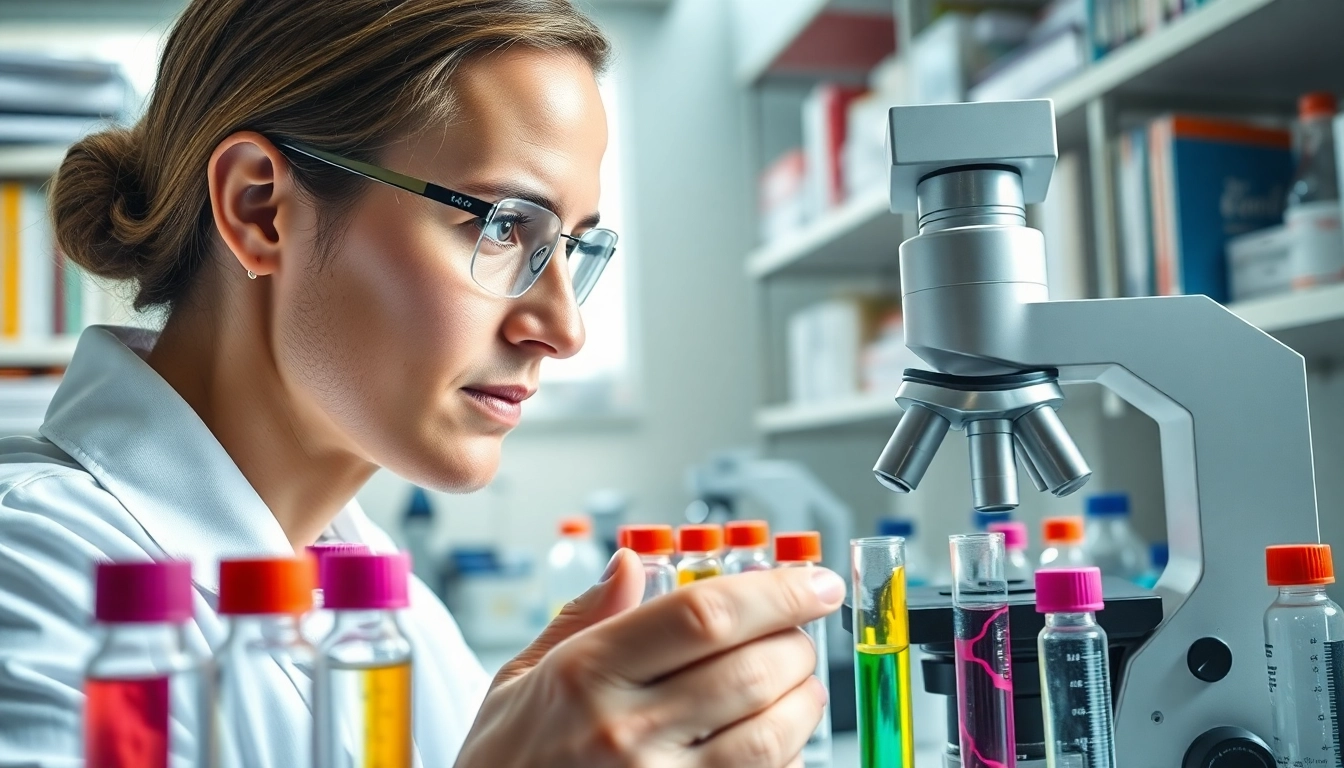
Introduction to Peptides
Peptides have emerged as one of the most fascinating and versatile classes of biomolecules in recent years. Their significance stretches across various fields, from medicine and biology to cosmetics and nutrition. With the increasing demand for peptide sales in research and commercial applications, understanding what peptides are, their mechanisms, and different types becomes paramount. This article delves deep into the world of peptides, exploring their synthesis, applications, and future prospects.
What Are Peptides?
Peptides are short chains of amino acids linked by peptide bonds. They typically range from two to more than fifty amino acids and are smaller than proteins, which are longer chains. The unique amino acid sequence of each peptide determines its specific function and role within biological processes. Unlike proteins, which perform numerous complex functions, peptides often serve more targeted roles.
Types of Peptides
Peptides can be classified into several categories based on their origin and function:
- Signal Peptides: These are involved in cellular signaling and communication, acting as messengers that can trigger biological responses.
- Hormonal Peptides: These peptides play a crucial role in endocrine functions. Examples include insulin and glucagon.
- Antimicrobial Peptides: Found in various organisms, these peptides are part of the immune response, helping to fend off pathogens.
- Carrier Peptides: These are responsible for transporting substances across cellular membranes.
- Biologically Active Peptides: They have various effects on biological systems, including antioxidant, anti-inflammatory, and antihypertensive activities.
Importance in Research
The role of peptides in research is expanding rapidly. Their ability to mimic, inhibit, or modify biological processes makes them ideal candidates for therapeutic development. Understanding the intricacies behind peptide functions and interactions has led to breakthroughs in drug design, personalized medicine, and novel therapeutic strategies.
Peptide Synthesis Techniques
Peptide synthesis is the process of creating peptides for various applications, primarily in pharmaceuticals and research. The methods of synthesis can significantly affect the purity, yield, and functionality of the peptides produced.
Solid-Phase vs. Solution-Phase Synthesis
The two primary techniques for peptide synthesis are solid-phase and solution-phase synthesis:
- Solid-Phase Synthesis: In this method, peptides are built on a solid support material. This allows for easier purification and removal of excess reagents by simply washing away unreacted components at each step. The most widely used solid-phase synthesis technique is Fmoc-based synthesis.
- Solution-Phase Synthesis: This traditional approach involves assembling peptides in a solution. Although it can be simpler for small-scale synthesis, it often results in lower purity and yield compared to solid-phase methods.
Latest Advancements in Synthesis
Innovation in peptide synthesis techniques has led to significant improvements in efficiency and scalability. Techniques such as automated synthesizers allow researchers to produce large quantities of peptides with enhanced accuracy. Emerging methods like click chemistry and ribosomal synthesis are also expanding the possibilities in peptide design and applications.
Challenges in Peptide Production
Despite advancements in peptide synthesis, challenges remain, including:
- Purity and yield issues: Achieving high purity can be difficult, impacting biological activity.
- Cost: High-quality peptides can be expensive, limiting accessibility for research.
- Complexity of synthesis: Longer peptides can be challenging to synthesize accurately due to accumulating errors.
Applications of Peptides in Medicine
Peptides have a wide range of applications in the medical field. Their ability to interact specifically with biological targets makes them invaluable in various therapeutic protocols.
Therapeutic Uses of Peptides
Peptides are used in therapeutics as signaling molecules, drugs, and diagnostics. For instance, peptide hormones like insulin manage glucose levels, while others have been investigated for cancer treatment, autoimmune diseases, and metabolic disorders. Their specificity often leads to fewer side effects compared to traditional small molecule drugs.
Peptides in Drug Development
The pharmaceutical industry heavily invests in peptide drugs, given their potential. Researchers are continually exploring new peptides for therapeutic uses, increasing efficacy and reducing toxicity. Peptides derived from natural sources or synthesized via bioinformatics are promising candidates for new drugs.
Future Prospects in Peptide Therapy
The field of peptide therapy is vibrant and evolving. Advancements in delivery methods, including nanoparticle systems and transdermal patches, are enhancing the effectiveness of peptide drugs. Ongoing research is exploring combinations of peptide therapies with other treatments to improve patient outcomes further.
The Role of Peptides in Cosmetics
Peptides have gained substantial popularity in the cosmetics industry, primarily for their skin health benefits. They are often marketed as anti-aging agents due to their ability to stimulate collagen production and repair skin tissue.
Peptides for Skin Care
In skin care products, peptides serve various functions such as enhancing skin barrier function, providing anti-inflammatory effects, and promoting skin hydration. Products containing peptides can improve skin texture and elasticity, making them sought after in anti-aging formulations.
Scientific Backing for Cosmetic Peptides
Numerous studies have demonstrated the efficacy of peptides in cosmetic formulations. Research has shown that peptides like palmitoyl pentapeptide-4 can promote collagen synthesis, while others may improve skin hydration and barrier function. The backing of scientific research reinforces the claims marketers make regarding peptide efficacy.
Market Trends and Growth
The cosmetic peptide market is on an upward trajectory, with increased awareness of the benefits they offer. This growth is fueled by the rising demand for effective anti-aging products and advancements in formulation technologies that incorporate peptides seamlessly into cosmetic products. Brands are actively exploring novel peptides to differentiate themselves in a competitive market.
FAQs about Peptides
What are the primary uses of peptides?
Peptides are used in therapeutics, cosmetics, and research. They serve as hormones, signaling molecules, and active ingredients in skin care products.
How are peptides synthesized?
Peptides can be synthesized via solid-phase or solution-phase methods. Automation and modern techniques enhance efficiency in peptide production.
Are there any side effects of peptide therapy?
Some individuals may experience allergic reactions or minor side effects. Always consult a healthcare professional before starting peptide therapy.
What role do peptides play in aging?
Peptides stimulate collagen production and skin repair, combatting signs of aging. They help retain skin elasticity and reduce wrinkles.
How do peptides contribute to athletic performance?
Peptides may enhance muscle growth, recovery, and fat loss. They are popular among athletes seeking to improve performance and recovery.