Understanding the Manlift: Types and Uses
Overview of Manlift Types
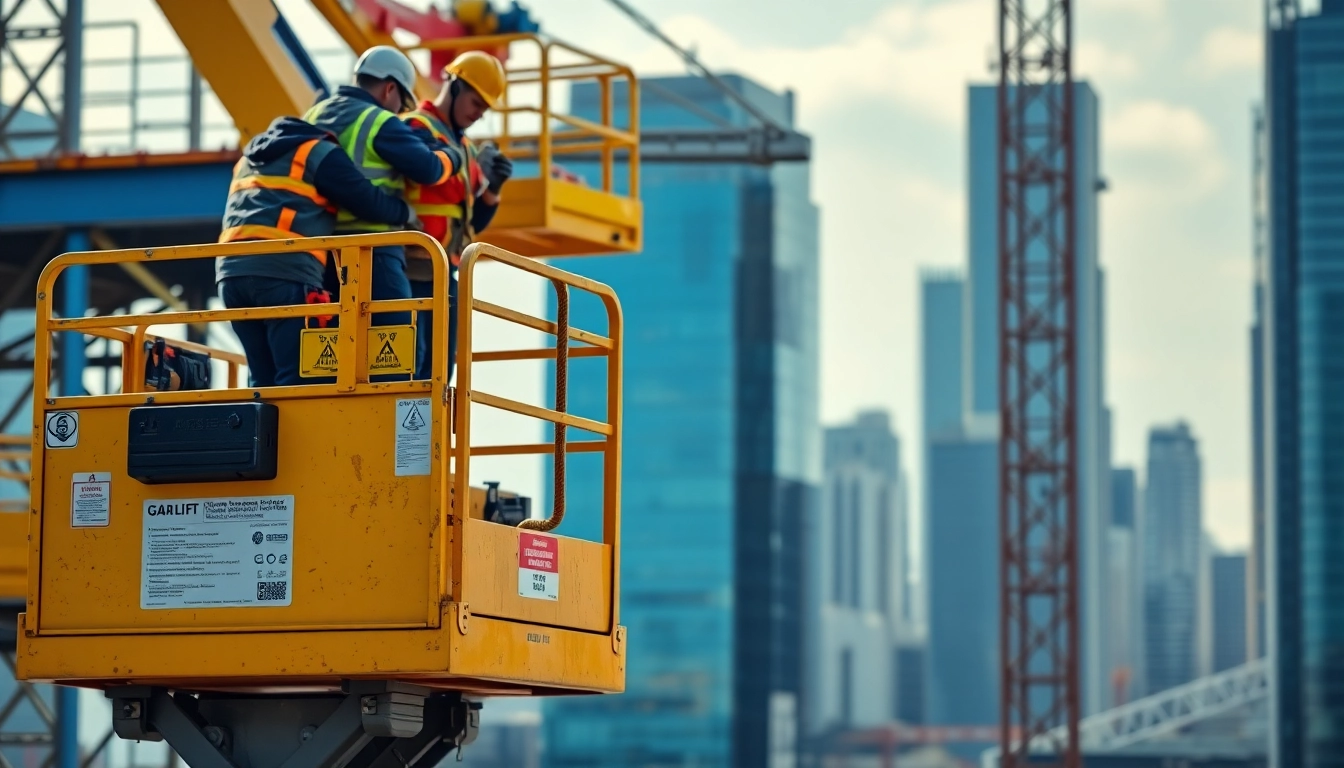
A Manlift is an essential piece of equipment designed to elevate workers and materials to high work areas. Ranging from simple vertical lifts to complex machines that can traverse rugged terrains, manlifts come in various types to suit different tasks and settings.
Generally, manlifts fall into two main categories: mobile and stationary. Mobile manlifts can be moved easily from one location to another and are often used for short-term tasks, while stationary manlifts are fixed installations typically used in more permanent applications.
Within these categories, you can find several specific types:
- Cherry Pickers: These are aerial work platforms that allow users to reach high places with ease. They consist of a bucket that is extended by a hydraulic arm.
- Scissor Lifts: Characterized by their crisscrossing support arms, scissor lifts can elevate their platforms straight up, making them suitable for tasks that require stability.
- Boom Lifts: These versatile machines combine the functionality of both cherry pickers and scissor lifts, offering extendable arms for further outreach and flexibility in tough environments.
- Personnel Lifts: Similar to scissor lifts but specifically designed for elevating workers, these lifts cater to smaller job sites and offer limited height contrasts.
Common Applications in Various Industries
Manlifts have a wide array of applications across different industries. In construction, they provide workers access to rooftops, high walls, and difficult-to-reach areas essential for installation, maintenance, and repair tasks. Events management companies utilize manlifts for setting up stages and lighting at concert venues.
Furthermore, in the warehouse and logistics sector, they facilitate access to high shelving units, enhancing efficiency during picking and packing processes. Similarly, in the film and media industry, manlifts are utilized for capturing aerial shots and setting lighting equipment in high places.
Moreover, utilities and maintenance teams employ manlifts for repairing street lights, tree trimming, and other specialized tasks that require working at elevated heights.
Choosing the Right Manlift for Your Project
Selecting the appropriate manlift for a project hinges on several factors, including the height of work, the weight of materials, and the nature of the terrain. A thorough risk assessment and understanding of the project requirements are paramount.
Consider these crucial aspects:
- Height Requirements: Determine how high you need to work. The available height range should also take into account any overhead obstacles.
- Weight Capacity: Ensure that the lift can accommodate the weight of both personnel and equipment. Always opt for a safety buffer relative to the expected loads.
- Surface Considerations: Assess the ground conditions where the manlift will operate; uneven or sloped terrain may limit the type of lift you can use.
- Power Source: Decide between electric, diesel, or hybrid versions based on the project's duration and location, as power availability can impact your choice.
Safety Protocols for Using a Manlift
Essential Safety Guidelines
Safety is paramount when operating a manlift. Comprehensive guidelines must be followed to minimize accidents and injuries:
- Conduct a pre-operation inspection to check for any visible damage or issues.
- Ensure that all operators are trained and licensed to operate a manlift.
- Establish a designated work zone to keep uninvolved personnel at a safe distance.
- Always use personal protective equipment (PPE), such as hard hats and harnesses, where needed.
- Never exceed the manlift's rated capacity, and avoid sudden movements that can cause instability.
Training Requirements for Operators
Effective training is crucial in ensuring that manlift operators are competent and comfortable with the machinery. Training should encompass the following:
- A theoretical overview of the different types of manlifts and their appropriate uses.
- Hands-on training in a controlled environment to familiarize operators with controls and features.
- Emergency response protocols, teaching operators how to address potential malfunctions or falls.
- Certification tests to confirm understanding and proficiency before operators are permitted to work independently.
Inspection and Maintenance Practices
Regular inspection and maintenance help prolong the lifespan of manlifts and ensure safety:
- Document daily inspections before operation, checking functionality of controls, brakes, and power sources.
- Schedule routine maintenance based on usage; refer to manufacturer guidelines for specific intervals.
- Provide immediate attention to any malfunctioning components. Properly trained personnel should address these issues.
Advantages of Incorporating a Manlift
Enhanced Accessibility for High Work Areas
One of the key benefits of using a manlift is the ease of access to high or restricted areas, which is particularly advantageous for construction and maintenance tasks. The ability to reach heights that traditional ladders or scaffolding may struggle with promotes both safety and efficiency.
Boosting Productivity and Efficiency
Utilizing manlifts can significantly enhance productivity. With the ability to move quickly between work locations and efficiently position tools, workers can complete tasks in a shorter time frame compared to conventional methods. This boost in efficiency translates to less downtime and improved job completion rates.
Cost-Effectiveness Compared to Traditional Solutions
While the initial outlay for renting or purchasing a manlift may seem high, the return on investment is evident in labor savings and reduced project timelines. By providing a safer alternative, manlifts decrease the likelihood of accidents and resulting costs associated with them.
Best Practices for Efficient Manlift Operations
Planning the Worksite Layout
A well-planned worksite layout enhances manlift efficiency. Prior to commencing work, take the time to outline pathways, work zones, and staging areas. This approach allows for seamless movement, significantly reduces the risk of accidents, and facilitates better coordination among operators.
Effective Communication Among Team Members
Communication among team members is vital to successful manlift operations. Establish clear signals and roles for team members in the vicinity of the manlift to ensure everyone is aware of movements and tasks. Regular briefings can also help address safety strategies, updates, and potential hazards.
Monitoring and Adjusting Operations
Continuous monitoring of manlift operations is essential. Assess crew performance, look for bottlenecks, and gather feedback regularly to optimize operations. Making real-time adjustments can improve efficiency and worksite safety considerably.
Frequently Asked Questions About Manlift
What is a Manlift and how does it work?
A manlift is a mechanical device used to elevate workers and materials to high places. It typically includes a platform that can be raised or lowered, operated via controls to navigate the desired height safely.
Are there different types of Manlifts for specific tasks?
Yes, manlifts come in various types such as scissor lifts, boom lifts, and cherry pickers, each designed for specific tasks and worksite situations to enhance access and safety at heights.
What safety measures should be taken while using a Manlift?
Essential safety measures include conducting daily inspections, ensuring operators are trained, utilizing PPE, and never exceeding the machine's weight capacity. Establishing a clear work area around the lift is also crucial.
How do I choose the appropriate Manlift for my needs?
To select the right manlift, consider the height and weight requirements, the nature of the terrain, surface conditions, and the type of power source best suited for the task at hand.
What maintenance is required for a Manlift?
Regular maintenance involves daily inspections, routine preventative maintenance, servicing per manufacturer recommendations, and addressing any wear or damage before operation to ensure safe functionality.