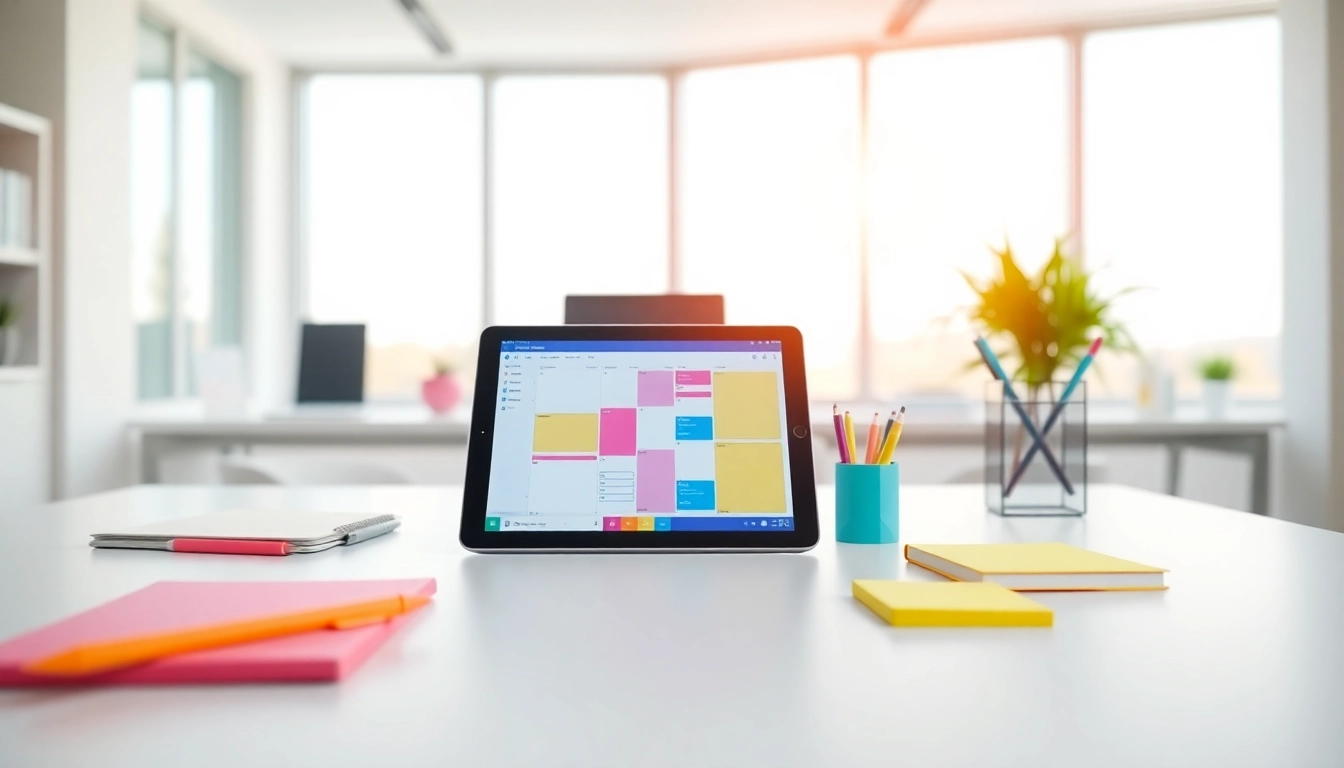
Understanding Digital Planners
What Are Digital Planners?
Digital planners are interactive templates designed for daily, weekly, or monthly organization, typically used on a variety of digital devices like tablets, smartphones, and computers. Unlike traditional paper planners, these tools offer flexibility and enhanced functionalities, allowing users to manage their schedules, tasks, goals, and notes efficiently. The advent of digital planners has revolutionized the way individuals approach time management, catering to the needs of tech-savvy users and anyone looking to simplify the planning process.
Benefits of Using Digital Planners
Digital planners boast a plethora of advantages that make them increasingly popular among users. Some key benefits include:
- Accessibility: Digital planners can be accessed from multiple devices, ensuring you have your planning tools wherever you go.
- Customization: Many templates allow for personalized layouts, colors, and features to better suit individual preferences.
- Integration: Digital planners often sync with other apps, enabling seamless task management and schedule organization.
- Environmentally Friendly: The use of digital planners minimizes the need for paper, contributing to sustainability efforts.
- Cost-Effective: Many digital planners are available free or for a low price, in contrast to the ongoing costs of traditional planners.
Types of Digital Planners Available
The world of digital planners is diverse, offering various formats and functionalities suited to different individual needs. These include:
- Template-based Planners: Pre-designed formats that users can fill in, often available in PDF format for various apps.
- Interactive Planners: These allow users to click through and link between sections, making navigation easy.
- Goal-oriented Planners: Designed specifically to help users set and track goals, often featuring dedicated sections for planning and accountability.
- Specialized Planners: Cater to specific activities such as wellness, fitness, or meal planning, offering tailored sections and prompts.
- Planners for Students: Focus on academic schedules, assignment tracking, and important deadlines.
How to Choose the Right Digital Planners
Assessing Your Needs and Preferences
Before diving into the vast array of digital planners available, it’s crucial to assess your personal needs and preferences. Consider what your primary goals are; whether you seek to improve productivity, manage personal projects, or track habits. Reflect on the features you find most valuable:
- Do you require templates for daily, weekly, or monthly planning?
- Is customization a priority for your organizing style?
- Are you looking for goal-tracking features or specific categories for your needs?
Compatibility with Devices and Apps
Since digital planners are designed for use on various devices, ensuring compatibility is key. Check the specifications of your planner to confirm it works with your preferred devices and apps:
- Tablet Use: Planners designed for apps like GoodNotes, Notability, or Xodo are often ideal for tablet users.
- Desktop Compatibility: If utilizing a desktop, some planners offer browser access or PDF layouts suitable for computers.
- Syncing Capability: Look for planners that can sync with calendars or to-do list apps for increased productivity.
Evaluating Features and Customization Options
Every user has different needs when it comes to functionality. Evaluate the features that stand out the most in digital planners:
- Interactive Elements: Check if the planner allows users to clickable checkboxes, links between notes, or embedded reminders.
- Visual Appeal: The aesthetic of a planner can enhance motivation, so explore various designs and visual customization options.
- Customizability: Look for options that let you add or remove sections according to your specific planning needs.
- User-Defined Templates: Some planners allow you to create your own templates or modify existing ones.
Getting Started with Digital Planners
Setting Up Your Digital Planner
Once you've settled on a digital planner, setting it up is your next step. Here are the essential steps to ensure your planner works effectively for you:
- Download and Install: If your planner requires specific software, make sure to install it first.
- Create Custom Sections: Personalize the planner by adding or modifying sections based on your planning style.
- Input Initial Events: Populate your planner with upcoming appointments, deadlines, or goals to get a comprehensive overview.
Tips for Effective Use of Digital Planners
Maximizing the utility of your planner lies in how you approach using it. Here are some tips to enhance your effectiveness:
- Establish a Routine: Dedicate a specific time each day or week to update and review your planner.
- Set Reminders: Utilize reminders for appointments or deadlines to help you stay proactive instead of reactive.
- Reflection: Regularly reflect on what’s working and adjust your planner to better suit your needs.
Integrating Digital Planners into Your Daily Routine
To get the most out of your digital planner, integration into your daily life is key. Here’s how to do that:
- Link with Other Tools: Connect your planner to digital calendars or task managers for streamlined scheduling.
- Use Planning Sessions: Routine planning sessions can help you prepare for each week or month effectively.
- Engage Over Time: Make it a habit to review and adjust your planner regularly to reflect changes in your schedule.
Maximizing Productivity with Digital Planners
Advanced Features to Boost Your Planning
Take your productivity to the next level by exploring the advanced features available with digital planners:
- Automation: Some planners offer automated features where recurring tasks or reminders can be set to reappear at chosen intervals.
- Analytics Tracking: Utilize planners that provide tracking analytics to gauge your productivity trends over time.
- Collaboration: Features that allow sharing or collaboration can enhance project management when working with others.
Real-World Examples of Successful Digital Planning
Understanding how others effectively use digital planners can provide essential insights. Here are some case studies:
- A student successfully managed academic deadlines and extracurricular activities through a specialized academic planner, allowing real-time adjustments for assigned work.
- A freelancer improved project turnaround times by integrating their planner with time-tracking applications, helping them allocate time accurately.
- A wellness-oriented user achieved their fitness goals by setting reminders and tracking exercise schedules, resulting in increased motivation and accountability.
Measuring Productivity Improvements
To evaluate the effectiveness of your digital planner, consider the following metrics:
- Task Completion Rates: Analyze your ability to complete planned tasks within designated timeframes.
- Time Savings: Track how much time your planning process saves against previously unstructured methods.
- Goal Achievement: Measure the number of goals reached compared to prior periods before using digital planners.
Future Trends in Digital Planners
Emerging Technologies in Digital Planning
The landscape of digital planners is continuously evolving, and emerging technologies will significantly impact their future:
- AI-Driven Planning: Artificial Intelligence may offer advanced insights, adaptive features, and personalized recommendations for planner users.
- Augmented Reality: AR technologies could create immersive planning experiences, allowing users to visualize their schedules in three-dimensions.
- Voice Integration: Integrating voice recognition could allow users to update and manage their planners seamlessly using voice commands.
User Preferences Shaping the Future of Digital Planners
As users become more vocal about their preferences, digital planners will need to adapt. Trends include:
- Simplicity: Users often prioritize straightforward interfaces over complex functionalities.
- Mobility: Increased demand for planners optimized for mobile platforms will shape designs.
- Custom Integrations: Planners that allow easy integration with a range of other applications will remain popular.
Enhancing User Experience through Feedback and Updates
Feedback will play a pivotal role in shaping the future usability of digital planners. Companies that actively seek and implement user insights will see improved user satisfaction. Regular updates built around user experiences will lead to:
- Refined Features: Continuous integration of requested features can improve overall user experience.
- Enhanced Performance: Users benefit from regular optimization that improves speed and reliability.
- Community Support: Engaged user communities can provide shared insights and tips for planners.
Frequently Asked Questions
What are digital planners used for?
Digital planners help users organize tasks, track goals, manage schedules, and enhance productivity through digital devices.
Can digital planners be customized?
Yes, many digital planners offer customizable features allowing users to adapt layouts, colors, and sections as needed.
What devices are compatible with digital planners?
Digital planners are typically compatible with tablets, smartphones, and computers, especially with apps like GoodNotes or Notability.
Are there free digital planners available?
Yes, numerous free digital planners exist online, often with downloadable templates suitable for various devices.
How can I improve my productivity with digital planners?
Utilizing features like reminders, goal tracking, and effective integrations with other apps can significantly enhance productivity.