Understanding the Square Breathing Technique
What is Square Breathing?
The square breathing technique is an intentional breathing exercise designed to promote calmness and focus. This method involves taking deep, equal-length breaths, creating a 'square' pattern where each phase of the breathing cycle lasts the same duration. The technique aids in managing stress, enhancing mental clarity, and easing anxiety by encouraging mindfulness and the regulation of the body's physiological response to stressors.
Benefits of Implementing the Square Breathing Technique
Square breathing has multiple benefits that extend beyond the immediate feelings of relaxation. Some of these advantages include:
- Stress Reduction: It effectively helps decrease levels of cortisol in the body.
- Focused Attention: Regular practice enhances concentration, beneficial for tasks requiring intense focus.
- Anxiety Management: Breathing techniques are known to alleviate symptoms of anxiety disorders.
- Improved Sleep Quality: Utilizing square breathing before bed can lead to a calmer mind, making it easier to fall asleep.
- Enhanced Emotional Regulation: It aids in recognizing and controlling emotional responses to various situations.
How Square Breathing Works Physiologically
When practicing the square breathing technique, several physiological changes occur. The rhythmic nature of this technique helps trigger the parasympathetic nervous system, promoting a state of calmness. Increased oxygenation to the brain improves cognitive function, while slowed heart rates stabilize blood pressure. This body-mind connection cultivates a greater sense of mindfulness and an improved ability to handle stress.
Step-by-Step Guide to Practicing Square Breathing
Setting Up Your Space
Creating an environment conducive to square breathing is essential. Here are some factors to consider when setting up your space:
- Find a Quiet Area: Choose a space free from distractions and noise.
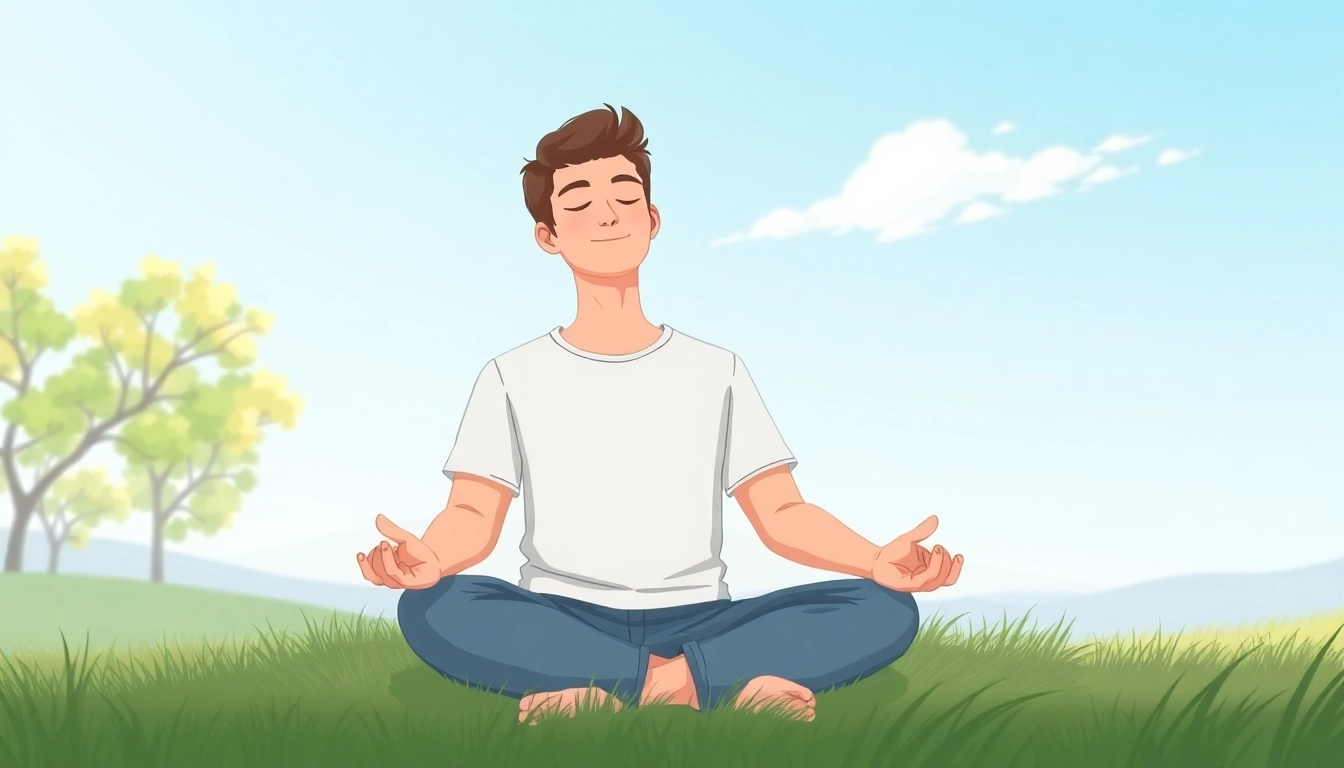
- Comfortable Position: Sit or lie down comfortably to maintain focus on your breathing.
- Use Soft Lighting: Dim lighting can help create a peaceful ambiance.
- Incorporate Aromatherapy: Essential oils, such as lavender, can enhance relaxation.
Executing the Square Breathing Technique
To execute the square breathing technique, follow these steps:
- Inhale: Breathe in slowly through your nose for a count of four.
- Hold: Retain your breath for a count of four.
- Exhale: Slowly breathe out through your mouth for a count of four.
- Hold: Pause your breath for another count of four.
Repeat this cycle multiple times, gradually extending the count as you grow more comfortable with the practice.
Common Beginners’ Mistakes to Avoid
While practicing the square breathing technique, beginners might encounter several challenges:
- Rushing the Breaths: A common mistake is inhaling or exhaling too quickly; it’s crucial to maintain a steady rhythm.
- Inconsistent Counts: It’s important to keep all counts equal for effective practice.
- Distractions: Focus can wane if you're not committed to a distraction-free environment.
- Forgetting to Relax: Stay mindful and relaxed throughout the practice; forcing the breaths can lead to tension.
Incorporating Square Breathing into Daily Life
Using Square Breathing in Stressful Situations
Learning how to utilize the square breathing technique during stress can be transformative. In high-pressure scenarios—whether at work, during a public speaking event, or in personal conflicts—applying this technique can help center your thoughts and prevent panic responses. Practicing square breathing before entering a stressful situation can also prep your mind, allowing for clarity and stability.
Integrating Square Breathing into Your Routine
To reap the long-term benefits of square breathing, consider incorporating it into your daily routine:
- Morning Ritual: Start your day with 5 minutes of square breathing to set a positive tone.
- Work Breaks: Take short breaks during work to practice square breathing, enhancing focus and productivity.
- In Pre-sleep Routine: Use square breathing at night to wind down and prepare for restful sleep.
Tracking Progress with Square Breathing
Monitoring how square breathing impacts your life can provide motivation and indicate your progress. Consider keeping a journal to track:
- Frequency of practice.
- Emotional states before and after practice.
- Any changes in stress levels or anxiety.
- Improvements in focus or sleep quality.
Over time, you'll gain insights into how regular practice benefits your mental and physical well-being.
Advanced Techniques Related to Square Breathing
Combining Square Breathing with Meditation
For those seeking deeper relaxation, combining square breathing with meditation can yield profound benefits. Start by practicing square breathing to calm the mind, then transition into silent meditation. Focusing on your breath in this controlled manner enhances both mental clarity and emotional balance, fostering a more profound meditative experience.
Enhancing Focus with Visualization During Square Breathing
Integrating visualization techniques alongside square breathing can enhance its effects. As you breathe in and out, envision calming imagery, such as a peaceful landscape or a vibrant color. This dual approach not only strengthens your breathing practice but also enriches your emotional experience by making your mental images a part of the breath cycle.
Square Breathing for Performance Optimization
Athletes and professionals can harness the square breathing technique as a means of performance optimization. By utilizing this technique before peak performance moments, individuals can enhance focus, reduce anxiety, and improve overall performance. It clears distractions and provides a mental readiness that is crucial for success in high-stakes situations.
FAQs About the Square Breathing Technique
What is the best time to practice square breathing?
The best time to practice square breathing is when you feel stressed or need to focus. Incorporating it into your morning or before bed can also be beneficial.
How long should I practice the square breathing technique?
Start with five minutes of practice, gradually increasing to 10-15 minutes as you become more comfortable with the technique.
Can children practice square breathing?
Yes, children can practice square breathing. It's an easy technique that can help them manage anxiety or stress in a simple, effective way.
Is square breathing effective for anxiety relief?
Absolutely! Square breathing is shown to lower anxiety levels by calming the body's stress response through regulated breathing techniques.
What are the best environments for practicing square breathing?
The best environments for practicing square breathing are quiet, comfortable spaces where you can focus, free from distractions or interruptions.
Contact Information
Call Us:+92-3241617642