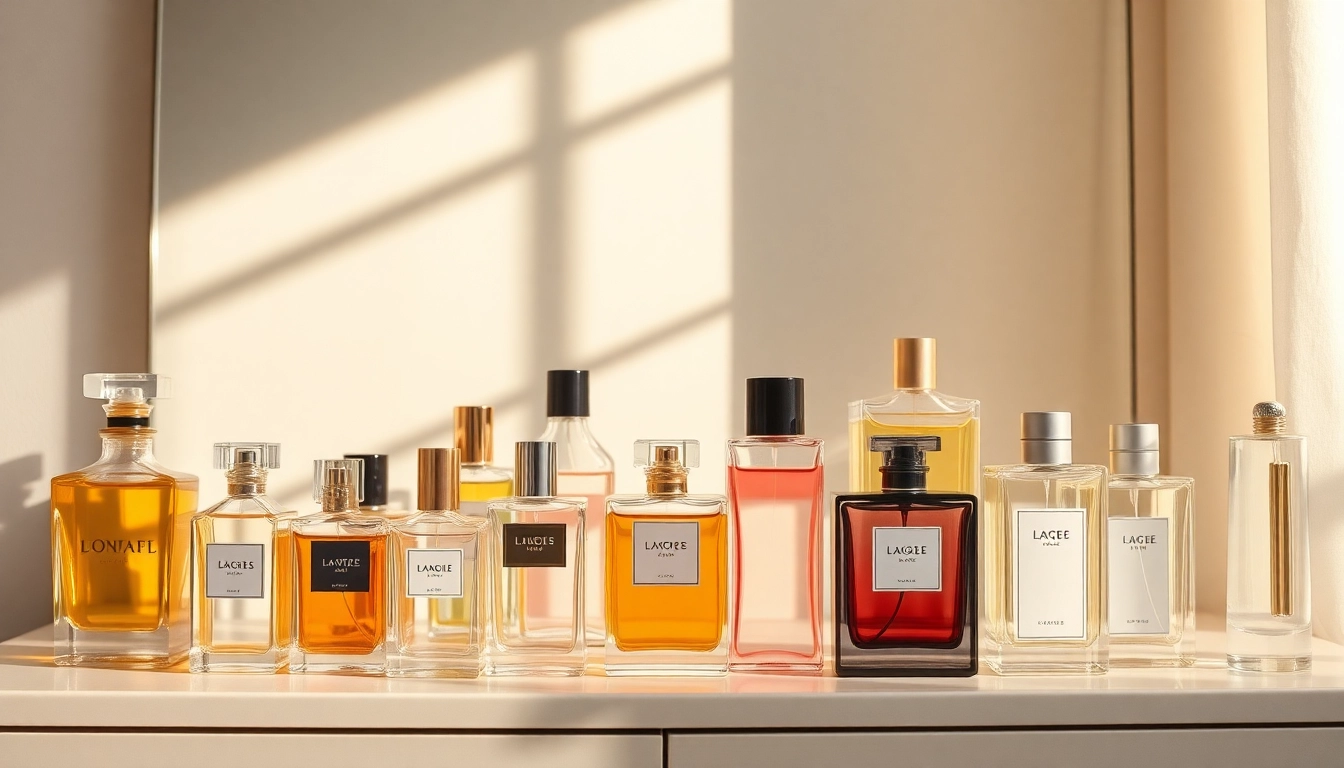
Understanding Perfume Layering Tips: A Beginner's Guide
Perfume layering is an art that can take your fragrance experience to a whole new level. It not only enhances your personal scent but also allows you to express your individuality in a unique way. This guide will take you through the essentials of perfume layering tips, helping you create delightful combinations that resonate with your style and mood. For those looking to dive deeper, Perfume Layering Tips can serve as a great resource for your exploration.
What is Perfume Layering?
Perfume layering involves applying multiple fragrances in a specific order to create a new, unique scent. Unlike wearing one solitary fragrance, layering allows you to blend different perfumes to achieve complex, personalized aromas. The technique requires a bit of experimentation, but with the right approach, it can yield stunning results that reflect your personality.
Why Layer Fragrances?
The reasons for layering fragrances are as varied as the scents themselves. First and foremost, it offers the opportunity for creativity. You can mix scents that may not traditionally be used together, thereby creating a signature aroma that speaks to you. Layering also enhances the longevity of your scent, as different fragrance notes will evolve in harmony throughout the day.
Essential Tips for Beginners
- Start Simple: For beginners, it's best to start with just two fragrances. Choose a bold, base scent and a lighter top layer.
- Experiment: Don’t be afraid to mix unconventional scents. Use sample sizes to try combinations without committing to full bottles.
- Take Notes: Keep record of your layering attempts—note what worked and what didn’t, including the scents you used.
- Have Fun: The most important aspect of layering is enjoyment. Explore and allow your personality to shine through your scent combinations.
How to Choose Your Base Scent: Key Factors
Identifying Heavier Notes
The base scent forms the foundation of your layered fragrance. Typically, these are heavier notes found in perfumes categorized as woody, oriental, or gourmand. Examples include sandalwood, amber, vanilla, and tobacco. These scents tend to linger longer and produce robust profiles that set the stage for lighter fragrances.
Complementary Fragrance Types
Choosing a base that complements your secondary fragrance enhances the overall aroma. For instance, if you start with a rich oud base, you may layer it with a fresh citrus or floral fragrance that can cut through the density of the oud, providing balance and depth. Learning about fragrance families—citrus, floral, fruity, woody, and spicy—will aid in making the right choices.
Personal Scent Preferences
Ultimately, selecting your base scent should align with your personal preferences. What scents evoke positive memories or feelings for you? Consider your day-to-day lifestyle; for example, a fresh and clean scent can be more appropriate for a work environment, while a bold, romantic aroma may suit a night out. Trusting your instincts is key to successful layering.
Step-by-Step Guide to Perfume Layering Tips
Application Techniques for Perfect Layering
The method of application can significantly influence how the scents interact. Start with a moisturized skin base to help the fragrances adhere better. Always apply your heavier base scent first, allowing it to dry for a few moments before introducing the lighter fragrance. This method creates a well-blended perfume experience.
Creating Unique Combinations
To unlock the most unique scents, consider blending fragrances from different families. For example, pairing a sweet vanilla base with a green, herbal note can yield surprising results. The key is to experiment bravely, using ratios that you find appealing and adjusting as necessary. Remember: less is more in the beginning.
Testing and Adjusting Layers
Once you’ve layered two fragrances, give them time to settle and evolve on your skin before assessing their longevity and compatibility. Note how the scents develop over hours—the top notes will fade, revealing mid and base notes, which can sometimes differ sharply from your initial impression. Adjust ratios based on your observations for future attempts.
Avoiding Common Mistakes in Perfume Layering Tips
Overlapping Scents: A Pitfall
One of the biggest mistakes beginners make is layering fragrances that overlap heavily in their notes. This can create a muddled scent that lacks clarity and definition. For optimal results, choose fragrances that provide contrast or work well together harmoniously.
Ignoring Skin Chemistry
Skin chemistry plays a crucial role in how a fragrance develops. What smells divine in the bottle may not translate well on your skin due to varying pH levels and body temperature. Always test fragrances on yourself before layering, and allow them to sit for a while to see how they blend with your natural chemistry.
Too Much Product Use
While it can be tempting to apply more products to achieve a stronger scent, this can lead to overwhelming aromas. Instead, focus on applying small amounts and building gradually. Layering should enhance your scent without being overpowering or cloying.
Advanced Techniques for Experienced Users
Layering with Other Fragrance Products
Expanding your fragrance layering technique involves using scented body lotions, oils, or mists in conjunction with your perfumes. Start your routine with a matching body lotion that complements your fragrance, thus establishing the blend before adding your perfume. This can amplify the fragrance's depth and longevity.
Creating Signature Scents
Creating a signature scent is about finding that distinctive combination that feels uniquely yours. This may involve layering multiple fragrances, but you must remain mindful of balancing heavier and lighter notes. The right combination can become a lasting memory for those who encounter it—a personal hallmark of identity.
Long-Lasting Fragrance Strategies
For those seeking long-lasting performance, explore synthetic musks or fixatives to anchor your scent. These elements help stabilize the fragrance, ensuring it lingers throughout the day. Additionally, regular reapplication or using perfume oils in pulse points can enhance wear time effectively.
FAQs
What is the best way to layer perfumes?
Start with your heavier scent, allowing it to dry, then add a lighter fragrance. For best results, test combinations on your skin to find what resonates with your personal chemistry.
How many fragrances can I layer?
While you can technically layer multiple fragrances, starting with two allows for easier adjustments. Gradually expand to more once you’re comfortable with the layering technique.
Can I layer perfume with scented lotions?
Yes, using scented lotions can enhance your fragrance experience. Match your lotion with your perfume for a more cohesive scent profile.
How do I know if my fragrances complement each other?
Consider their fragrance families—citrus with floral or woody with spicy often meld well. Testing on skin helps discover unique synergies.
What are common mistakes in perfume layering?
Common mistakes include using overlapping scents, ignoring personal skin chemistry, and applying too much product. Start small and build as needed.