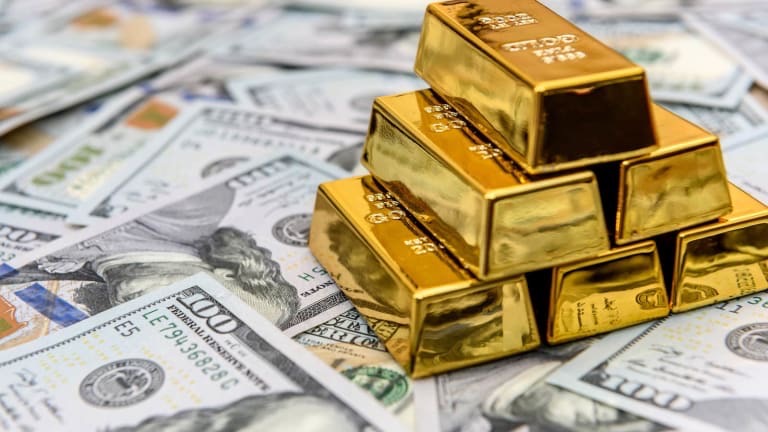
Gold has long been valued not only for its beauty but also for its financial significance. Whether it is inherited jewellery, outdated designs, broken ornaments, or unused pieces sitting in a locker, many individuals eventually consider selling gold to unlock its value. However, before making a decision, it is important to understand how the process works and what factors can influence the amount you receive.
Gold transactions involve more than simply handing over jewellery and accepting an offer. Market rates, purity assessment, transparency, and buyer credibility all play significant roles in ensuring a fair and secure experience. Taking the time to understand these elements can help you make informed decisions and maximize the value of your assets.
Understanding Why People Sell Gold
People choose to sell gold for a variety of reasons. Some may need immediate liquidity for personal expenses, while others may wish to convert unused jewellery into funds for investments, education, business opportunities, or major purchases.
Changing fashion preferences also contribute to gold sales. Jewellery that no longer aligns with current tastes often remains unused for years. Instead of allowing these items to sit idle, many individuals choose to convert them into financial resources that can be used more effectively elsewhere.
Regardless of the reason, understanding the selling process helps ensure that the transaction remains transparent and beneficial.
Know the Current Gold Market Rate
One of the most important factors when selling gold is understanding the prevailing market price.
Gold prices fluctuate regularly due to various global factors, including:
● Economic conditions
● Inflation trends
● Currency movements
● Central bank policies
● International demand and supply
● Geopolitical developments
Before approaching any buyer, it is wise to check current gold rates through reliable financial sources. Having a general understanding of market prices allows sellers to better evaluate offers and identify fair valuations.
Purity Matters More Than Weight Alone
Many people assume that the weight of a gold item determines its value. While weight is important, purity plays an equally significant role.
Gold jewellery is commonly available in different purity levels, such as:
1. 24K Gold
Contains nearly pure gold and typically commands the highest value.
2. 22K Gold
Frequently used in jewellery and contains a high percentage of gold mixed with other metals for durability.
3. 18K and Lower Purity Gold
Contains a smaller percentage of pure gold and therefore carries a different valuation.
Professional testing methods help accurately determine purity. Understanding purity helps sellers gain realistic expectations regarding pricing.
The Importance of Transparent Evaluation
A trustworthy gold transaction begins with a transparent evaluation process.
Professional buyers generally assess:
● Weight
● Purity
● Hallmark certifications
● Current market rates
● Condition of the item when relevant
The evaluation should be conducted openly, allowing the seller to understand how the final value is calculated.
Transparency reduces misunderstandings and helps establish confidence throughout the transaction.
Hallmarking Can Simplify the Process
Hallmark certification serves as an important indicator of gold purity.
While non-hallmarked jewellery can still be evaluated and sold, hallmarking often provides additional assurance regarding authenticity.
Sellers should check for:
● BIS hallmark markings
● Purity indicators
● Certification details were available
These details can streamline the assessment process and contribute to more accurate valuations.
Choosing the Right Buyer
Selecting the right buyer is one of the most critical decisions when selling gold.
A reliable gold jewellery buyer typically demonstrates:
1. Professional Expertise
Experienced evaluators understand various types of jewellery and gold products.
2. Transparent Pricing
Clear explanations regarding valuation methods help create trust.
3. Fair Market Alignment
Offers should reasonably reflect current market conditions.
4. Proper Documentation
Professional transactions often include receipts and supporting records.
5. Customer-Focused Service
Clear communication and ethical practices contribute to a better experience.
Researching potential buyers beforehand can help reduce uncertainty and improve overall confidence.
Common Mistakes Sellers Should Avoid
Many individuals unknowingly make mistakes that affect the outcome of their transaction.
1. Accepting the First Offer
Comparing multiple evaluations can provide a broader understanding of market value.
2. Ignoring Market Trends
Selling during periods of significant price fluctuations without proper research may impact returns.
3. Overlooking Documentation
Keeping transaction records helps maintain transparency.
4. Focusing Only on Convenience
While convenience is important, fairness and credibility should remain top priorities.
Avoiding these common mistakes can help sellers achieve more favorable outcomes.
Understanding Testing Methods
Modern gold evaluation relies on several testing techniques designed to provide accurate results.
These may include:
● Electronic testing
● X-ray fluorescence analysis
● Density testing
● Hallmark verification
Advanced testing methods allow professionals to determine purity without causing significant damage to jewellery.
Understanding how gold is evaluated helps sellers feel more informed and confident throughout the process.
Why Reputation Matters
The gold-buying industry relies heavily on trust.
Established businesses often invest in transparent procedures, trained professionals, and customer service standards that support long-term credibility.
Before selecting a buyer, individuals may benefit from reviewing:
● Customer feedback
● Industry reputation
● Business history
● Transparency standards
● Evaluation processes
Reputation often provides valuable insight into what sellers can expect during a transaction.
Financial Planning Before Selling
Selling gold should ideally be viewed as part of a broader financial decision rather than an impulsive action.
Consider:
● Why are you selling
● Whether the timing is appropriate
● Alternative options available
● Long-term financial goals
Taking a strategic approach can help ensure that the proceeds from gold sales are used effectively and aligned with personal financial priorities.
Conclusion
Converting unused gold into financial value can be a practical decision when approached with proper knowledge and preparation. Understanding market rates, purity assessments, transparent evaluations, and buyer credibility allows sellers to navigate the process with greater confidence and clarity.
If you are planning to cash your gold, working with experienced professionals and prioritizing transparency can help create a smoother and more reliable transaction experience. Gold Buyers operates within the precious metals purchasing sector and reflects the growing emphasis on professional evaluation, transparent pricing practices, and customer-focused service. Their work highlights the importance of accurate gold assessment, market-based valuation methods, ethical transactions, and informed decision-making when individuals choose to convert gold assets into liquidity.