Understanding Containerized Wastewater Treatment Systems
Containerized wastewater treatment systems have become increasingly vital in addressing modern environmental challenges. These systems are engineered to provide efficient and effective treatment of various wastewater types, from domestic sewage to complex industrial effluents. Designed for flexibility and rapid deployment, these modular units fit into standard shipping containers, enabling organizations to tackle their wastewater management needs without the extensive infrastructure typically associated with traditional systems. When exploring options, Wastewater Treatment System Manufacturers often highlight the benefits of pre-engineered solutions that comply with local regulations.
What are Containerized Wastewater Treatment Systems?
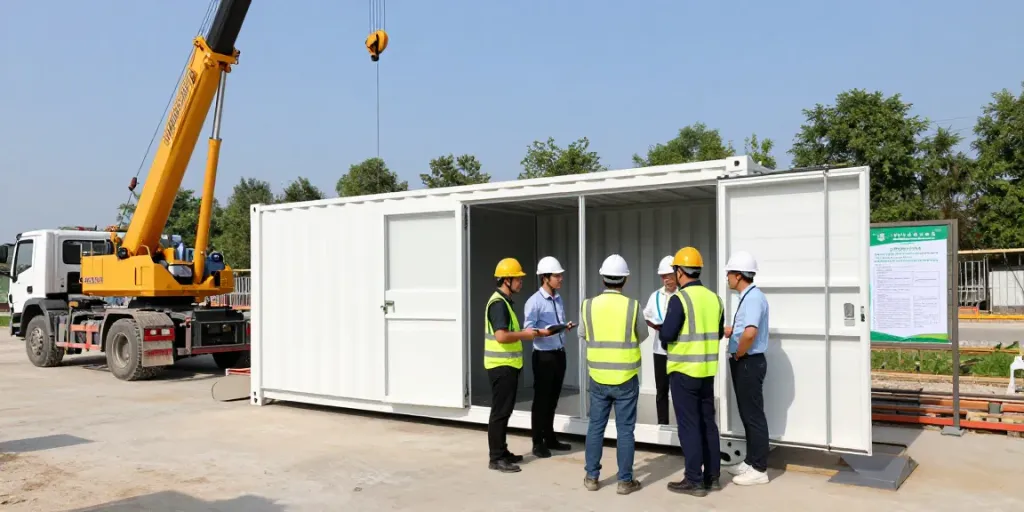
Containerized wastewater treatment systems are compact, mobile units designed for the effective treatment of wastewater. Typically housed in standard shipping containers, they offer a range of treatment processes that can be customized to meet specific wastewater characteristics. These systems are ideal for temporary installations or locations where space is limited. Their design allows for easy transportation and setup, making them suitable for various applications, including military operations, disaster relief, and remote industrial sites.
Key Features of Wastewater Treatment Systems
- Modularity: The systems can be tailored to fit different needs and can be expanded or reduced based on demand.
- Rapid Deployment: Set-up typically requires only essential equipment and can be complete in a matter of days.
- Cost-Effectiveness: Reduced need for extensive infrastructure translates to lower capital expenditures.
- Compliance: These systems are designed to meet local and international environmental regulations, ensuring that treated effluents are safe for discharge.
Benefits of Modular Solutions
The array of benefits offered by containerized wastewater treatment systems is vast. Their modular design ensures flexibility, allowing users to adjust capacity based on population or process needs. Furthermore, the pre-engineered nature of these systems reduces installation times significantly, making them ideal for projects requiring swift implementation. Additionally, containerized systems often require less site preparation than conventional plants, simplifying the logistics of deployment. With the ability to treat a wide range of wastewater types, these systems can serve diverse industries from agriculture to pharmaceuticals and beyond, contributing to a more sustainable approach to wastewater management.
Choosing the Right Wastewater Treatment System Manufacturer
When selecting a manufacturer for containerized wastewater treatment systems, it’s crucial to evaluate their expertise and experience in the field. Experts recommend considering manufacturers who have a track record in delivering systems that suit specific industrial requirements while adhering to best practices in environmental compliance.
Evaluating Manufacturer Expertise and Experience
Manufacturers should demonstrate a robust understanding of wastewater treatment processes and technologies. Potential customers should look for manufacturers with experience in their specific industry sector, as different sectors may face unique challenges. Additionally, it's beneficial to seek manufacturers with proven installations and reliable after-sales support.
Key Questions to Ask Potential Manufacturers
- What is the range of wastewater types your systems can handle?
- Can you provide case studies or references from previous clients?
- What warranties or guarantees do you offer on your systems?
- Do you provide training and ongoing support after installation?
Identifying Industry-Specific Requirements
Every industry may have distinct requirements and regulations regarding wastewater treatment. For instance, industries like food processing, pharmaceuticals, and mining may generate specific types of wastewater that need tailored treatment solutions. Understanding the unique components of these industries is essential for selecting the right manufacturer and system design.
Deployment and Installation Process
While containerized wastewater treatment systems boast many benefits, the deployment and installation process is crucial to their success. A well-executed installation ensures the system operates optimally and meets regulatory requirements.
Steps for Successful System Deployment
- Site Assessment: Conduct an evaluation of the site to determine logistics and infrastructure needs.
- Preparation: Ensure the area is ready for installation, including any necessary groundwork.
- Transport: Use appropriate transport methods for the containers to ensure they arrive safely and ready for deployment.
- Installation: Follow manufacturer guidelines for setup, connecting utilities and conducting system tests.
- Training: Provide training for operators on system use and maintenance procedures.
Tools and Equipment Needed for Installation
Successful installation of containerized wastewater treatment systems requires specific tools and equipment. Commonly needed items include:
- Flatbed trucks for transportation
- Cranes for positioning containers
- Standard plumbing and electrical tools for setup
- Safety gear to comply with occupational health standards
Common Challenges During Deployment
Deployment may face several challenges, such as unexpected site conditions, regulatory delays, and logistical issues. It is critical to conduct thorough planning and maintain open communication with stakeholders to mitigate these challenges effectively. Preparation for potential hurdles, including backup plans for transportation or installation, can help ensure a smooth deployment of the treatment system.
Operational Flexibility in Treatment Systems
Operational flexibility is one of the strong suits of containerized wastewater treatment systems. Given their modular nature, these systems can adapt to varying treatment needs efficiently.
Adapting Systems to Different Wastewater Types
Each type of wastewater presents unique challenges. Containerized treatment systems can be customized to handle everything from high-strength industrial effluent to municipal sewage. By incorporating various treatment technologies such as biological processes, filtration, and disinfection, these systems can achieve desired effluent quality tailored to specific discharge regulations.
Real-World Applications in Various Industries
Containerized wastewater treatment systems are versatile across multiple sectors. For instance:
- Agriculture: These systems can treat runoff and wastewater from farming operations, ensuring compliance with environmental regulations.
- Construction: Temporary installations provide solutions for construction sites where wastewater is generated.
- Mining: Mining operations often produce contaminated water; containerized systems manage and treat this effluent effectively.
Enhancing Efficiency and Compliance
By utilizing advanced technologies and optimized processes, containerized wastewater treatment systems enhance operational efficiency. Continuous monitoring and automation can help maintain compliance with environmental standards, reducing penalties and environmental impact.
Future Trends in Wastewater Treatment Technologies
The realm of wastewater treatment technologies is evolving rapidly, with advancements designed to enhance performance and sustainability.
Innovations on the Horizon for 2026
As we look ahead, several innovations are poised to transform wastewater treatment systems. These include:
- Smart Technologies: Integration of IoT devices for real-time monitoring and predictive maintenance to optimize performance.
- Energy Recovery Systems: Technologies aimed at harnessing energy from wastewater treatment processes, reducing operational costs.
- Advanced Filtration Techniques: Development of new materials for filtration that enhance contaminant removal efficiency.
The Growing Importance of Sustainability
Environmental sustainability is increasingly at the forefront of wastewater treatment innovations. Manufacturers are prioritizing eco-friendly practices, such as water reuse and resource recovery, which can significantly reduce the overall environmental footprint of treatment processes.
Performance Metrics and Industry Standards
With evolving regulations, there's a growing emphasis on transparent performance metrics and compliance with industry standards. Manufacturers must stay abreast of these changes to ensure their systems meet expectations. Regular audits and certifications can help maintain accountability and build trust with clients.