Understanding Industrial Hydraulics Solutions
Definition and Importance
Industrial hydraulics solutions refer to the use of pressurized fluids to generate, control, and transmit power in industrial applications. These systems are designed to operate machinery and perform various tasks that require significant force and precise control, making them integral in many industrial operations. The importance of hydraulic systems lies in their ability to offer high power density, flexibility, and efficiency. By converting mechanical energy into hydraulic energy, these systems enable the precise movement and control of equipment, ultimately enhancing productivity and efficiency across multiple sectors. In today's competitive landscape, businesses are increasingly dependent on industrial hydraulics solutions to meet their operational goals. The efficiency gains and reliability of hydraulic systems make them a preferred choice over mechanical systems for many industrial processes.
Key Components of Hydraulic Systems
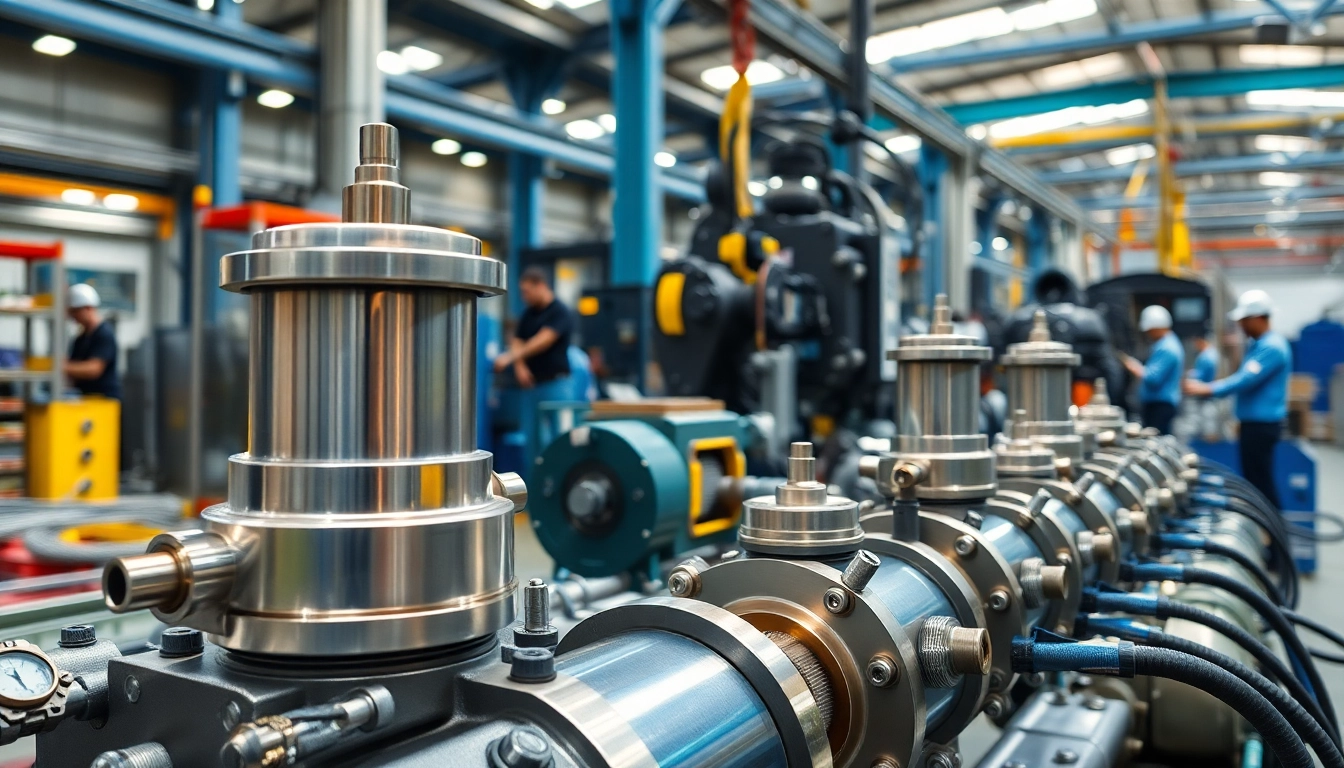
Hydraulic systems typically consist of several key components that work together to ensure proper function: - Hydraulic Fluids: Fundamental to the operation of hydraulic systems, these fluids transmit power. The choice of fluid impacts efficiency and longevity. - Pumps: They convert mechanical energy into hydraulic energy, creating the pressure needed to move fluid through a system. - Actuators: Actuators, typically hydraulic cylinders or motors, convert hydraulic energy back into mechanical energy to perform work, such as lifting, pushing, or rotating. - Valves: These control the flow and pressure within the hydraulic system, allowing for the precise movement and control of machinery. - Filters: Maintenance of fluid cleanliness is essential for the longevity and performance of the hydraulic system, making filters a critical element. Understanding these components and their functions is fundamental to optimizing hydraulic systems for specific industrial applications.
Applications in Various Industries
The versatility of industrial hydraulics solutions allows them to serve a wide range of applications across numerous industries, including: - Manufacturing: Hydraulic systems are integral to machines like presses, injection molding equipment, and assembly lines. - Construction: Hydraulic-powered equipment, such as excavators, bulldozers, and cranes, rely on these systems for functionality. - Automotive: In automotive manufacturing, hydraulics control assembly lines and robotics that assemble vehicles with precision. - Aerospace: Hydraulics play a crucial role in aircraft systems, controlling landing gear, wing flaps, and brakes. - Mining: Heavy machinery used in mining operations relies on hydraulic systems for tasks such as drilling and hauling. The adaptability of hydraulic systems allows industries to meet specific operational demands efficiently.
Benefits of Industrial Hydraulics Solutions
Enhanced Efficiency and Performance
One of the primary benefits of industrial hydraulics solutions is the enhanced efficiency they provide. Because hydraulic systems can easily generate high levels of power in a compact size, they outperform many mechanical systems. This high power-to-weight ratio enables rapid operations, meeting high production demands without compromising performance. Moreover, hydraulic systems allow for precise control of speed and force. Operators can adjust parameters to suit specific tasks, minimizing waste and maximizing effectiveness, ultimately leading to superior operational performance.
Cost-Effectiveness and Maintenance
Industrial hydraulics solutions can be cost-effective in both initial investment and ongoing operational costs. While the upfront costs of hydraulic systems might be higher than some alternatives, their durability and efficiency often lead to lower total operational costs. Additionally, hydraulic systems require less maintenance than mechanical systems, which often suffer from wear and tear more quickly. With regular maintenance—such as fluid checks, component inspections, and filter changes—companies can extend the lifespan of hydraulic equipment, reducing downtime and repair expenses.
Safety Measures and Compliance
Safety is paramount in any industrial environment, and incorporating robust hydraulic systems enhances overall workplace safety. Hydraulic solutions can be designed with specific safety features, such as automatic pressure relief valves and emergency stop functions. Moreover, adhering to safety regulations and compliance standards is crucial. The implementation of hydraulic systems allows organizations to comply with industry standards such as ISO and ANSI, ensuring that equipment operates within safe limits and protecting workers from potential hazards related to equipment failure.
Common Challenges in Implementing Industrial Hydraulics Solutions
Identifying System Failures
One of the major challenges businesses face with industrial hydraulics solutions is identifying system failures early. Factors such as leaks, pressure losses, and component wear can lead to performance losses. Proactive monitoring systems combined with diagnostics can help in identifying any potential issues before they escalate, ensuring that machinery operates smoothly and efficiently. Training personnel to recognize signs of hydraulic failure—like abnormal noises, fluid discoloration, and unusual pressure readings—can further mitigate risks. Implementing a regular inspection routine aids in early detection and helps avoid costly downtime.
Maintaining System Integrity
System integrity is crucial for the optimal performance of hydraulic solutions. Contamination of hydraulic fluid can lead to significant issues, including wear and tear of critical components. Organizations must implement stringent fluid management practices, such as ensuring that the fluid is filtered and changed regularly to maintain its cleanliness. Additionally, components must be regularly inspected for signs of wear or damage. Establishing a comprehensive maintenance schedule that includes periodic inspections can help to ensure system integrity.
Adapting to Technological Changes
The rapid pace of technological advancement can pose a challenge when adapting existing hydraulic systems. Continuous innovation leads to the development of more efficient and smarter hydraulic technologies. Companies need to remain informed about trends such as automation, IoT integration, and energy-efficient designs to compete in the market. Investing in ongoing training for staff about these technologies will enable them to adapt quickly, improving both the skills of the workforce and the operational capabilities within the industry.
Best Practices for Optimizing Industrial Hydraulics Solutions
Regular Maintenance Guidelines
To optimize the performance and longevity of hydraulic systems, organizations should adopt best practices for maintenance. Key activities include: - Scheduled Inspections: Conduct regular inspections of hydraulic systems to identify signs of wear or issues. - Fluid Management: Regularly monitor and change hydraulic fluids to prevent contamination and maintain system efficiency. - Component Checks: Inspect seals, hoses, and fittings for leaks or wear and replace them proactively to avoid unexpected breakdowns. By adhering to these practices, companies can ensure their hydraulic systems operate at peak performance.
Innovations and Upgrades
Staying ahead in the market often requires investment in innovations and upgrades. Businesses should look for opportunities to integrate advancements in hydraulic technology that can improve efficiency, reduce energy consumption, or enhance performance. For instance, implementing variable speed pumps can optimize energy use, while smart sensors can provide real-time data for monitoring system performance. Researching and adopting such technologies can keep organizations competitive and increase overall productivity.
Training Workforce on Safety Protocols
To maximize the effectiveness of industrial hydraulics solutions, organizations must invest in training their workforce on safety protocols. This includes educating employees on the potential hazards associated with hydraulic systems and implementing safe operating procedures. Regular training sessions and drills help employees become familiar with emergency protocols, ensuring that they are prepared to handle unexpected situations and can use the hydraulic systems confidently and safely.
Future Trends in Industrial Hydraulics Solutions
Digitization and Smart Technologies
The future of industrial hydraulics solutions looks promising, particularly with the advent of digitization and smart technologies. IoT-enabled hydraulic systems allow for real-time monitoring and data analysis, improving system performance and predictive maintenance capabilities. Such technologies enable businesses to transition toward more predictive rather than reactive maintenance, enhancing efficiency and potentially driving down costs. As smart technologies continue to evolve, the industrial hydraulics landscape will adapt to leverage these advancements.
Energy Efficiency Improvements
Energy efficiency remains a crucial focus for the future of industrial hydraulics solutions. As organizations strive to reduce their environmental impact, energy-efficient hydraulic technologies, such as accumulator systems that store energy for peak usage, will become more prevalent. These innovations not only contribute to sustainability but can also lead to significant operational cost savings by reducing energy consumption during hydraulic operation.
Environmental Impact and Sustainability
Environmental sustainability will play an increasingly critical role in shaping the future of industrial hydraulics solutions. Companies that prioritize eco-friendly hydraulic fluids, biodegradable options, and enhanced recycling practices are likely to gain a competitive advantage. Further, regulations targeting emissions and waste management will prompt organizations to adopt more sustainable practices in their hydraulic systems. This shift not only fulfills regulatory compliance but also enhances corporate responsibility and public perception.
FAQs
1. What are the advantages of using hydraulic systems?
Hydraulic systems offer high power density, precise control, compact design, and flexibility for various applications, enhancing operational efficiency.
2. How often should hydraulic systems be maintained?
Regular maintenance should occur every 3 to 6 months, including fluid checks, component inspections, and filter replacements for optimal performance.
3. What are common signs of hydraulic system failure?
Signs include fluid leaks, abnormal noises, pressure drops, and erratic movements, indicating the need for immediate inspection and maintenance.
4. How can workforce training improve hydraulic safety?
Training ensures employees understand potential hazards, safe operating procedures, and emergency protocols, reducing workplace accidents and system failures.
5. What role do smart technologies play in hydraulics?
Smart technologies enhance real-time monitoring, predictive maintenance, and automation, increasing hydraulic system efficiency and reliability.
Contact Information
Call Us: 780.452.2876Email: [email protected]Address: 13111 159 Street Edmonton, AB T5V 1H6