Introduction to Double Glazed Windows
In the pursuit of home improvement and energy efficiency, double glazed windows have emerged as a popular choice among homeowners. These windows, featuring two layers of glass with an insulating air space, offer numerous advantages, from energy savings to enhanced comfort. In this comprehensive guide, we will explore all aspects of double glazed windows, elucidating their benefits, selection criteria, and dispelling common misconceptions.
What Are Double Glazed Windows?
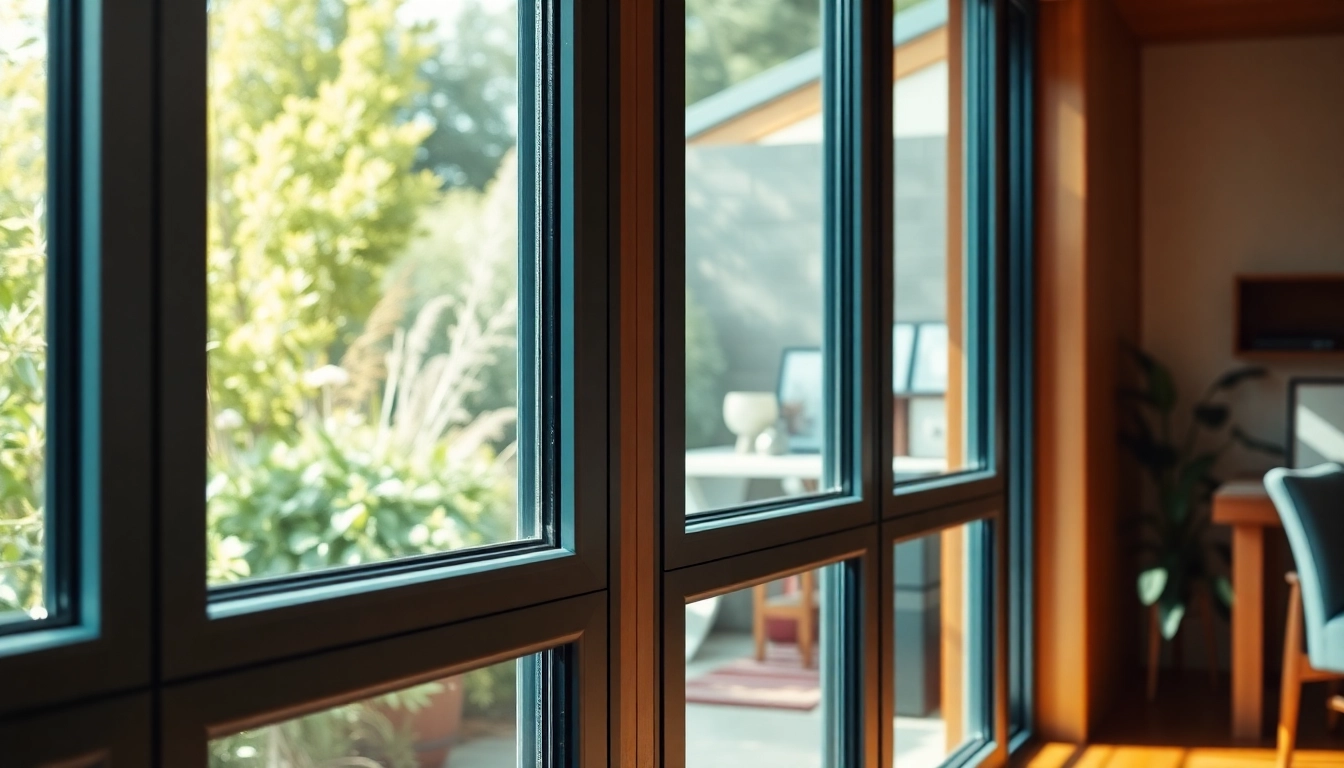
Double glazed windows consist of two glass panes, separated by a spacer, that create a sealed unit filled with an insulating material like air or inert gas. This design is key to the effectiveness of double glazing as it significantly reduces heat transfer, making it a vital element in modern energy-efficient homes. These windows can also feature coatings that improve their thermal efficiency and resistance to UV radiation.
How Double Glazed Windows Work
The science behind double glazed windows lies in their construction. The space between the two panes serves as an insulating barrier that restricts the flow of heat. When the exterior glass surface is heated by sunlight, the warm air inside the cavity slows down heat transfer to the interior. Conversely, during winter, the insulated barrier prevents indoor heat from escaping, stabilizing indoor temperatures. This insulation results not only in enhanced energy efficiency but also ensures a more comfortable living environment.
Common Materials Used
Double glazed windows are typically framed with several materials, each offering benefits tailored to specific needs:
- uPVC: Commonly used for its affordability, low maintenance, and good insulation properties.
- Aluminum: Offers durability and a modern aesthetic but may require thermal breaks to improve insulation.
- Wood: Provides natural beauty and insulation; however, it may require more maintenance to prevent rot and decay.
Benefits of Double Glazed Windows
Energy Efficiency and Cost Savings
One of the primary advantages of double glazed windows is their energy efficiency. By providing excellent thermal insulation, these windows can significantly reduce heating and cooling costs, making them a worthwhile investment over time. Statistics show that energy-efficient homes with double glazing can save homeowners anywhere from 20% to 60% on energy bills, depending on climate and window usage.
Noisy Neighbors? Double Glazed Windows Reduce Noise!
Another benefit of double glazing is its ability to reduce noise pollution. The dual glass layers, combined with the air gap, form an effective sound barrier. Studies indicate that double glazed windows can reduce external noise by up to 60%, making them ideal for properties in bustling urban areas or near busy roads. This added comfort leads to a quieter home environment, improving overall quality of life.
Improved Home Comfort
Double glazing also contributes to improved overall comfort within the home. They eliminate cold drafts, maintain consistent indoor temperatures, and prevent condensation buildup on window surfaces. With double glazed windows, homeowners experience a more stable, pleasant environment year-round, enhancing the comfort and enjoyment of their homes.
Choosing the Right Double Glazed Windows
Factors to Consider When Selecting
When deciding on double glazed windows, several factors must be considered to ensure they meet your specific requirements:
- Energy Ratings: Look for windows that have high energy ratings to ensure optimal performance.
- Frame Material: Your choice of frame material should balance aesthetics, cost, and energy efficiency.
- Glass Type: Consider the type of glass used, such as low-emissivity glass, which reflects heat back into the home.
Styles and Designs
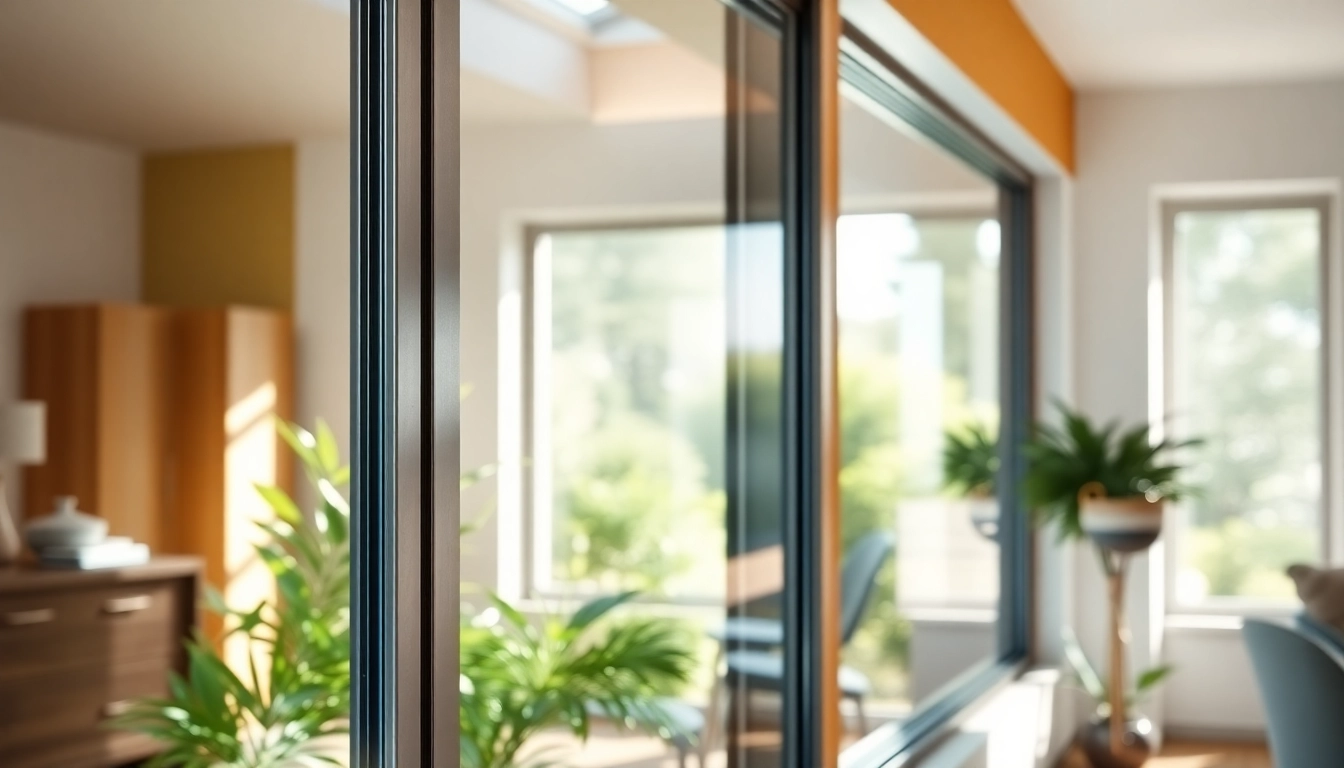
Double glazed windows come in various styles, including casement, sliding, and awning. Each style offers different benefits depending on the design and architecture of your home. For instance, casement windows are excellent for ventilation, while sliding windows occupy less space. Aesthetic considerations should also play a role in your selection to ensure the windows complement the overall style of your property.
Customizing Your Double Glazed Windows
Customization options for double glazed windows are abundant and can tailor these installations to suit individual preferences and architectural designs. Homeowners can choose different colors, sizes, glazing options, and hardware, making it easier to integrate these windows seamlessly into their homes. Additionally, custom sizes can accommodate unique window openings, ensuring a perfect fit.
Common Misconceptions About Double Glazed Windows
Are They Really Worth It?
One of the most common misconceptions regarding double glazed windows is their cost. While the initial investment may be higher than single-pane windows, the long-term savings on energy bills and the increased comfort they provide make them worth the expense. Over time, the return on investment through energy savings and potential property value increase outweighs the upfront cost.
Maintenance Requirements
Many people believe that double glazed windows require extensive maintenance, but that is not true. In reality, these windows are designed for minimal upkeep. Regular cleaning and occasional checks on seals are usually sufficient to ensure optimal performance. Modern double glazing systems often include easy-to-clean features or removable sashes to simplify the cleaning process even further.
The Impact on Home Aesthetics
Some homeowners worry that double glazing might detract from the aesthetic value of their properties. However, various styles and finishes are available to enhance visual appeal while providing energy efficiency. From traditional wooden frames to sleek uPVC designs, there are options to suit any architectural style. They can not only maintain but enhance the property's curb appeal.
FAQ Section
What are the advantages of double glazed windows?
Double glazed windows offer improved energy efficiency, noise reduction, and enhanced comfort, reducing heating and cooling costs.
How much do double glazed windows usually cost?
The average cost for double glazed windows varies between £700 to £1,800, depending on size and specifications.
Can double glazed windows be repaired?
While double glazed windows can have issues, they typically require full replacement if damaged due to their sealed nature.
Do double glazed windows prevent condensation?
Yes, double glazed windows help reduce condensation build-up due to the insulated layer of air or gas between the panes.
Are double glazed windows suitable for all homes?
Double glazed windows can complement most homes, though styles should match the architectural design for visual harmony.