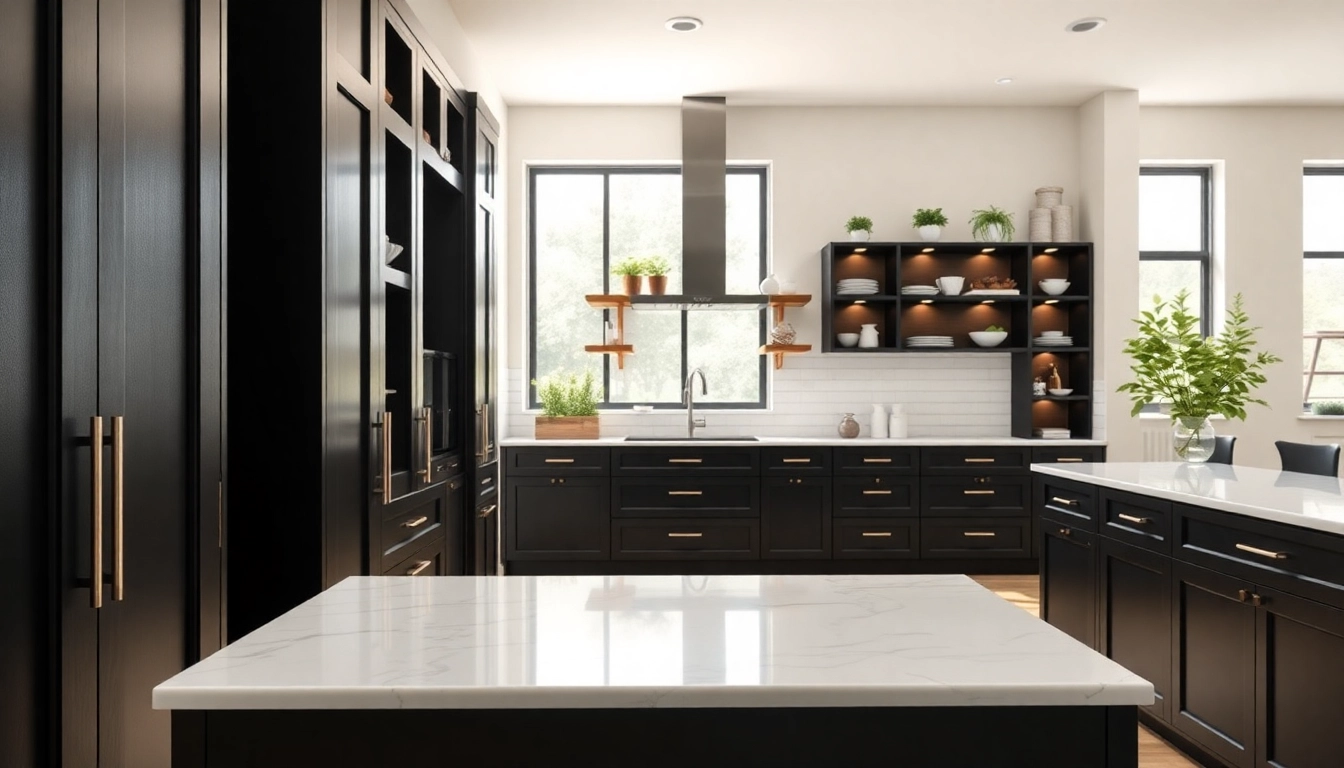
Understanding Black Kitchen Cabinets
Black kitchen cabinets have surged in popularity in recent years, captivating homeowners and designers alike with their bold beauty and versatility. The aspirational allure of these cabinets transforms a regular kitchen into a luxurious space, combining elegance with functionality. With their ability to complement virtually any design style, black kitchen cabinets serve as a stunning backdrop for various decorative elements and appliances. Let's delve deeper into why these cabinets might be the perfect fit for your kitchen.
1.1 The Appeal of Black Kitchen Cabinets
The appeal of black kitchen cabinets is multi-faceted. They exude sophistication and modernity, often becoming the focal point in a kitchen design. The sleek finish of black cabinets can provide a sense of depth and richness, creating an inviting atmosphere. They also offer a striking contrast against lighter countertops and backsplashes, enhancing the overall aesthetics of the kitchen space. Beyond mere aesthetics, black cabinets are practical—they are adept at hiding dirt and fingerprints, making maintenance easier for busy households.
1.2 Popular Styles and Finishes
Black kitchen cabinets come in various styles and finishes, catering to every taste. From classic Shaker designs to contemporary flat-panel constructions, there’s something for everyone. Matte finishes yield a chic, understated look, while high-gloss surfaces highlight a dramatic flair. Additionally, distressed or textured finishes can infuse rustic charm into a modern setting, appealing to those seeking a vintage touch. Mixing styles, such as combining black cabinets with a farmhouse island, can create a uniquely personalized aesthetic.
1.3 Complementary Decor Choices
Pairing black kitchen cabinets with complementary decor is key to achieving a cohesive design. Light-colored countertops, such as white or soft gray, can brighten the space and enhance visual interest. Metallic accents, including brass or gold fixtures, can add warmth and sophistication, perfectly balancing the cooler tones of black. Warm wood elements, such as a butcher block countertop or reclaimed wood shelves, can also provide a natural counterbalance and further emphasize the beauty of the cabinets.
Choosing the Right Black Kitchen Cabinets for Your Space
When it comes to selecting the right black kitchen cabinets, thoughtful consideration of the space is crucial. Factors such as size, layout, material options, and budgeting play significant roles in making the best choice for your unique kitchen.
2.1 Size and Layout Considerations
Before installing black kitchen cabinets, assess the kitchen’s size and layout. For smaller kitchens, opting for sleek, vertically oriented cabinets can create the illusion of height, resulting in a more spacious feel. Open shelving above a countertop can provide additional storage while contributing to an airy atmosphere. In larger kitchens, a mix of upper and lower cabinets in black can draw focus and invite creativity in arranging appliances and other elements. Whatever the size, keeping proportions in mind will yield an aesthetically pleasing result.
2.2 Material Options and Durability
The material of black kitchen cabinets affects both durability and style. Popular choices include solid wood, plywood, and engineered materials, each offering distinct advantages. Solid wood provides longevity and a classic look, while plywood offers a balance between weight and durability. Engineered materials like MDF or particleboard can lower costs while still delivering stylish designs. Consider the cabinet structure as well—dovetail joints and solid wood construction often indicate higher quality and durability.
2.3 Costs and Budgeting for Installation
Budgeting for black kitchen cabinets involves more than just the purchase price. Installation costs, potential kitchen modifications, and additional elements like hardware must be accounted for. On average, kitchen cabinets can range from $100 to several hundred per linear foot, depending on the material and style. It’s crucial to establish a comprehensive budget early on, as this will dictate the choices available while allowing room for unexpected expenses. Consider consulting a contractor to receive an accurate estimate for both materials and installation costs.
Installation Tips for Black Kitchen Cabinets
Whether you are a DIY enthusiast or prefer to enlist professional help, installing black kitchen cabinets requires careful planning and consideration to achieve stunning results.
3.1 DIY vs. Professional Installation
Deciding between DIY installation and hiring a professional can depend on your skill level and the complexity of the job. For those with construction experience, installing cabinets can be a rewarding project, allowing greater creative control. However, hiring professionals ensures proper installation based on industry standards and can save time and potential headaches. Assess personal abilities and the intricacies of your kitchen design before deciding.
3.2 Essential Tools and Equipment
If undertaking a DIY installation, having the right tools is essential. You'll need a level, stud finder, cordless drill, measuring tape, and possibly a jigsaw for cutting any necessary fixtures. Additionally, protective glasses and dust masks are important for safety when working with wood and power tools. Preparing a comprehensive tool list in advance will streamline the installation process and ensure efficiency.
3.3 Common Mistakes to Avoid
Being aware of common pitfalls can save time and frustration. One mistake is failing to measure accurately; miscalculated dimensions can lead to cabinets that do not fit properly. Additionally, it’s vital to ensure that cabinets are levelled to maintain functionality and aesthetics. Also, consider the order of installation; starting with upper cabinets is generally advisable to prevent access issues with lower cabinets. Taking the time to plan carefully will help avoid these missteps.
Maintaining the Beauty of Black Kitchen Cabinets
Once installed, black kitchen cabinets can maintain their elegance and functionality with proper care and maintenance practices.
4.1 Cleaning and Care Techniques
To keep black kitchen cabinets looking new, a regular cleaning regimen is essential. Use a soft cloth and a mild soap solution to wipe down surfaces gently, avoiding harsh chemicals which can dull the finish. For grime build-up, a more thorough deep-cleaning process may be conducted using a mixture of vinegar and water. It’s advisable to test any cleaning solution on an inconspicuous area first to avoid potential damage.
4.2 Preventing and Repairing Scratches
Scratches can detract from the appearance of black kitchen cabinets. Preventative measures include using cutting boards and coasters to minimize direct contact with surfaces. In case of scratches, many wood-specific repair kits are available. Alternatively, a small amount of wood stain or touch-up marker can be used to cover minor blemishes effectively.
4.3 Enhancing Longevity with Proper Care
Enhancing the longevity of black kitchen cabinets is achievable through routine care. Besides cleaning and addressing scratches, ensure that cabinet doors are not overloaded with heavy items which could affect their alignment over time. Additionally, controlling humidity and temperature levels in the kitchen can prevent warping and related issues, allowing cabinets to remain functional and beautiful for years to come.
Inspirational Ideas for Using Black Kitchen Cabinets
Black kitchen cabinets open a world of design possibilities, offering inspiration for various decorative styles.
5.1 Blending with Different Color Schemes
One of the remarkable qualities of black kitchen cabinets is their adaptability to different color schemes. Pairing them with bold colors like emerald green or deep blue can create a striking contrast, bringing depth and vibrancy to the kitchen. Alternatively, opting for a monochromatic scheme with grays and whites can emphasize a contemporary chic feel. Use accent pieces, such as colored dishware or art, to introduce personality and warmth to the space.
5.2 Using Lighting to Elevate Design
Lighting can significantly elevate the aesthetic appeal of black kitchen cabinets. Installing under-cabinet lighting illuminates darker spaces, enhancing visibility while highlighting the rich tones of the black cabinetry. Pendant lights above an island can add sophistication, creating both a functional and stylish workspace. Consider layering different light sources, such as ambient and task lighting, to create a visually appealing and welcoming area.
5.3 Showcasing Black Kitchen Cabinets in Small Spaces
Black kitchen cabinets can successfully work in smaller spaces by employing clever design techniques. Utilizing open shelving alongside black cabinetry can create an illusion of openness while providing additional storage. Choosing shiny or matte finishes can also affect perceptions of space; higher gloss finishes reflect light and can make the kitchen appear larger. Moreover, integrating smart storage solutions helps maximize space while maintaining an uncluttered look.
Frequently Asked Questions
1. Are black kitchen cabinets too dark for small kitchens?
No, they can be stylish if paired with lighter colors. Proper lighting and open shelving enhance the space.
2. How do I clean black kitchen cabinets?
Use a soft cloth with a mild soap solution. Avoid harsh chemicals to prevent dulling the finish.
3. What finishes are available for black kitchen cabinets?
Popular finishes include matte, glossy, and distressed. Each offers a different aesthetic and level of durability.
4. Can I install black kitchen cabinets myself?
Yes, DIY installation is possible if you're skilled. Ensure you have the necessary tools and a solid plan.
5. How do I prevent scratches on black kitchen cabinets?
Use cutting boards, avoid heavy items on surfaces, and address scratches promptly with repair kits or touch-up markers.