
Understanding the Benefits of Weekly and Daily Planners
The Importance of Structuring Your Time
In today’s fast-paced world, managing time effectively is crucial for both personal and professional success. Utilizing weekly and daily planners can transform how you approach your tasks. A structured timeline allows you to allocate your resources intelligently, ensuring that you meet deadlines while balancing various responsibilities. By dedicating sections of your planner to specific tasks, you can establish a rhythm that reduces stress and maximizes productivity.
How Planners Improve Focus and Productivity
One significant advantage of using planners is the enhanced focus they provide. Instead of juggling multiple tasks in your mind, writing them out can declutter your thoughts. When you make a to-do list for the day and prioritize tasks, it becomes easier to concentrate on the most critical items. Research indicates that individuals who plan their activities tend to achieve higher goals than those who do not. This level of focus helps individuals not only meet their daily objectives but also foster a sense of accomplishment that builds momentum for future productivity.
Finding Your Ideal Planner Type: Daily vs. Weekly
Understanding the distinction between daily and weekly planners is essential in selecting the right tool for your needs. Daily planners are excellent for those who prefer a detailed overview of each day, allowing for time-blocking and precise scheduling. On the other hand, weekly planners provide a broad perspective of your commitments for the week, letting you visualize upcoming events and deadlines. Your decision could depend on personal workflow preferences or your specific tasks' complexity. Combining both might also yield positive results, giving you the best of both worlds.
Key Features to Look for in Weekly and Daily Planners
Customization Options for Personal Needs
No two individuals have the same planning style, which is why customization is essential. Many planners offer options such as personalized covers, customizable layouts, or modular pages that fit your unique organizational methods. Choose planners that allow you to add goals, notes, or reminders that resonate with your personal planning style. This tailored approach makes engaging with your planner more enjoyable, increasing the likelihood of consistent usage.
Layouts That Enhance Usability and Clarity
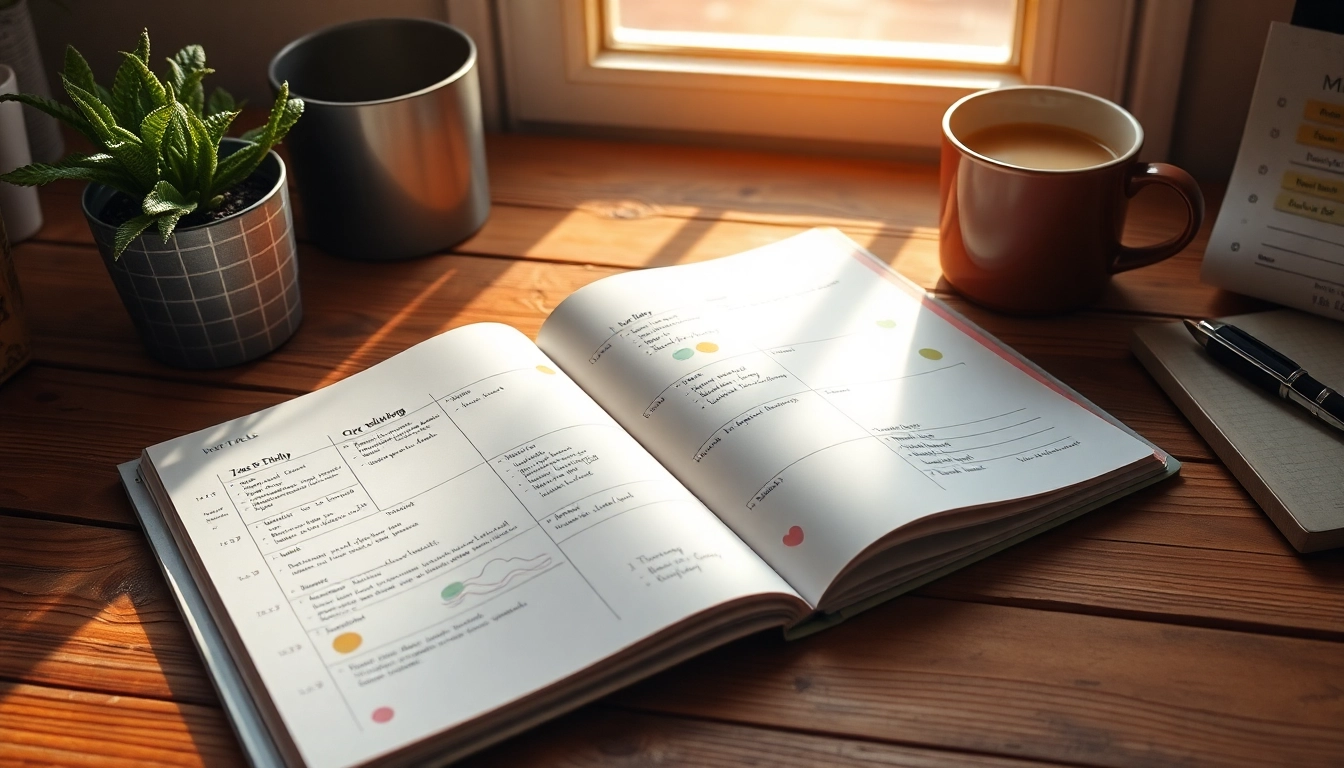
An effective planner should be user-friendly. Look for layouts that categorize days and tasks clearly, minimizing the cognitive load when accessing information. Some planners utilize color-coding systems, while others include visuals like checkboxes or graphs to enhance usability. Whether you select a minimalist design or one loaded with features, the ultimate goal is clarity that helps you navigate your plans without confusion.
Adding Creativity: Stickers and Color Coding
Incorporating creativity into your planning process can significantly improve engagement and enjoyment. Use stickers, washi tape, or color-coded pens to differentiate between types of tasks or to highlight deadlines. Creative expression in your planner can also serve as a motivational tool; when a task feels more fun to manage, you’re more likely to follow through. Additionally, creative elements can help others quickly comprehend your plans if you share your planner with coworkers or family members.
Tips for Effectively Using Weekly and Daily Planners
Strategies for Daily and Weekly Planning Sessions
Consistency is key when utilizing planners, and establishing a routine can make a significant difference. Consider setting aside time at the beginning or end of the week to review plans and set goals. This strategy activates a proactive mindset, ensuring you remain aware of upcoming deadlines and responsibilities. Moreover, checking in on your progress daily can help you stay motivated and hold yourself accountable.
Incorporating Goal-Setting into Your Routine
Integrating goal-setting into your planning sessions can enhance focus and drive. When you outline your long-term and short-term goals, ensure they are S.M.A.R.T. (Specific, Measurable, Achievable, Relevant, Time-bound). Break these goals into weekly or daily tasks, placing them strategically in your planner to keep them top-of-mind. Tracking progress towards these goals encourages reflection and adaptability, enhancing your overall planning effectiveness.
Adapting Your Planning to Changes and Challenges
Flexibility is essential in effective planning. Life is unpredictable, and plans may need to shift based on unforeseen circumstances. Regularly assess your planner for any necessary modifications, and don't hesitate to move tasks or goals around as required. This adaptability not only helps in coping with challenges but also instills a mindset that embraces change rather than resisting it.
Common Mistakes to Avoid with Weekly and Daily Planners
Overcomplicating Your Planning Process
One major pitfall when using planners is overcomplication. Having too many features or using convoluted systems can lead to confusion and deter consistent use. It's crucial to simplify your planning process to avoid frustration. Stick to a structure that resonates with you and focus on functionality rather than decorative elements unless they enhance usability.
Ignoring the Balance Between Structure and Flexibility
While it’s important to have a structured planning system, it’s equally critical to include flexibility. Rigid planning can lead to burnout and decreased productivity. Incorporate buffer times in your schedule to accommodate unexpected tasks and allow for spontaneous opportunities. This balance will create a more sustainable planning approach that enhances both productivity and wellbeing.
Failing to Review and Adjust Your Plans Regularly
Aplan is not static. Without regular reviews, you risk veering off track or neglecting tasks that require attention. Establish a habit of reviewing your planner weekly or bi-weekly to assess completed tasks, adjust timelines, and reflect on priorities. Regular evaluation helps pinpoint areas for improvement and allows for realignment with your long-term goals.
Frequently Asked Questions About Weekly and Daily Planners
What is the difference between a weekly and daily planner?
A weekly planner provides a broader overview of tasks and commitments for the entire week, while a daily planner breaks down daily activities into specific time slots.
How can I make my planner more engaging?
Utilize colorful pens, stickers, and markers to personalize your planner, making your planning sessions enjoyable and motivating.
Are digital planners as effective as physical ones?
Both offer distinct benefits; digital planners provide convenience and accessibility, while physical planners enhance memory retention through handwriting.
How do I prioritize tasks in my planner?
Employ a color-coding system or symbols to distinguish tasks by urgency or importance, which facilitates focus on what truly matters.
Can I combine weekly and daily planners?
Absolutely! Combining both can offer a comprehensive approach to organization, allowing for detailed daily management alongside a broader weekly perspective.