Understanding the Excavator
Definition and Purpose of Excavator
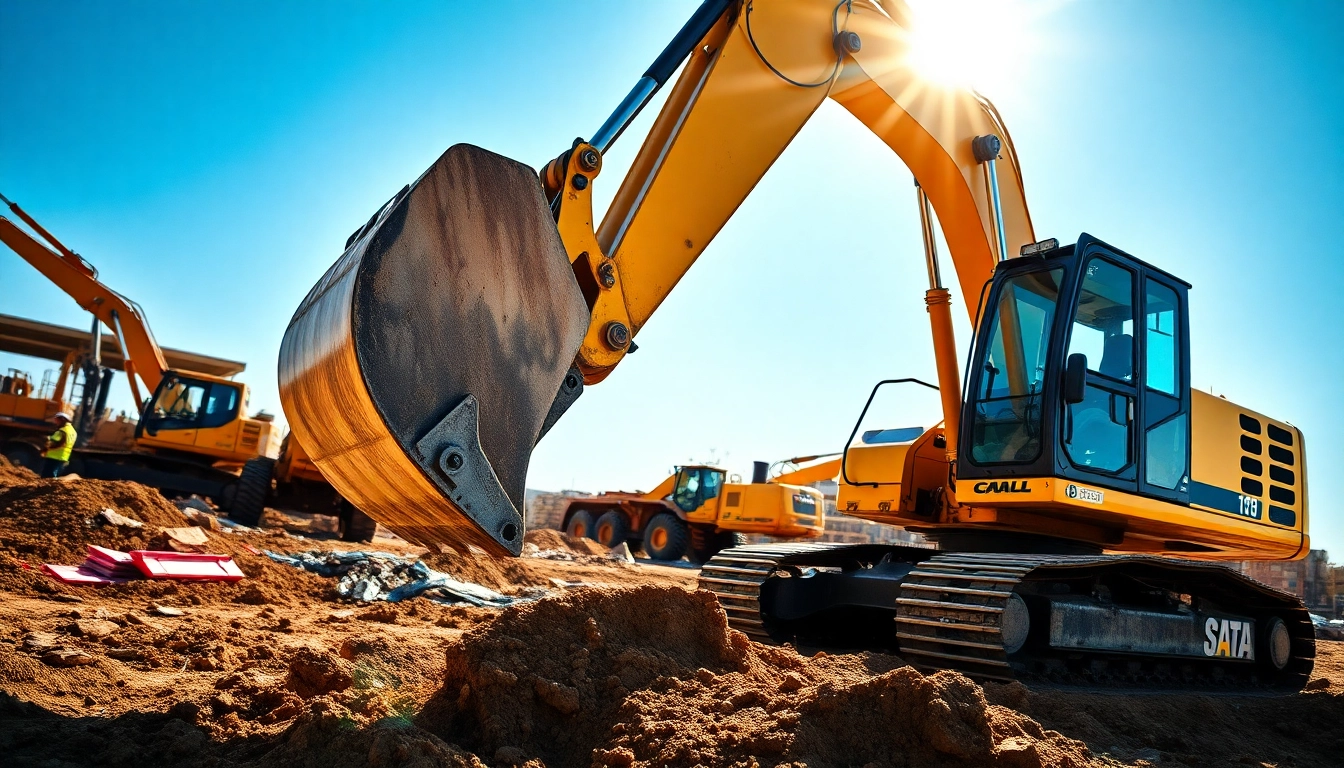
An excavator is a crucial piece of heavy construction equipment primarily designed for digging, moving, and loading materials. Its versatility allows it to perform a wide range of tasks on construction sites, landscaping projects, and industrial operations. Excavators excel in tasks like trenching and material handling, making them indispensable assets in various industries, especially in construction, mining, and demolition.
Key Components of Excavator
Excavators are built on four primary components that work in harmony to achieve effective results:
- Boom: The extendable arm that provides vertical height and reach for excavation tasks.
- Stick (Dipper Arm): Connects the boom to the bucket, providing additional reach and movement capabilities.
- Bucket: The attachment used for digging and scooping material. Different bucket types are available for specific tasks.
- Cab (House): The operator's compartment that houses controls and instruments for maneuvering the excavator.
Types of Excavators Available
Excavators come in various types to suit different tasks and terrain. Here’s an overview:
- Mini Excavators: Compact machines suitable for smaller jobs or tight spaces.
- Midi Excavators: Mid-sized excavators that offer versatility and power for medium-scale operations.
- Standard Excavators: Traditional large units used extensively in construction and heavy-duty applications.
- Long Reach Excavators: Designed for extensive digging operations, offering extended reach for deep excavation.
- Wheel Excavators: Versatile types equipped with wheels instead of tracks, enhancing mobility on paved surfaces.
Factors to Consider Before Purchasing an Excavator
Project Requirements and Excavator Size
Selecting the right excavator begins with understanding your project's requirements. The size of the excavator should match the scope of work. Mini excavators might be suitable for landscaping, while larger, standard excavators are preferred for substantial construction projects.
Evaluating the site conditions, type of soil, and access limitations is crucial in determining the excavator size necessary for optimal performance. For example, if the site has soft soil or requires deep digging, a standard excavator with a robust arm and bucket might be appropriate. Conversely, for small residential projects, a mini excavator suffices.
Budget Constraints and Financing Options
Your budget plays a pivotal role in determining which excavator to purchase or rent. It's important to include not just the initial cost but also ongoing maintenance, fuel consumption, and insurance. Factors such as financing options or rental versus purchase will also impact your financial planning. Many equipment suppliers offer rental plans that can help mitigate upfront costs, particularly for short-term projects.
Negotiating deals for used excavators can yield cost savings, but ensure that comprehensive inspections and warranties are part of the transaction to avoid unexpected repair costs.
Long-term Maintenance and Support
Excavators require diligent maintenance to ensure longevity and efficiency. Understanding the maintenance schedules, availability of service parts, and access to qualified technicians is essential before making a decision. Regular checks on hydraulic systems, engine performance, and undercarriage wear prevent extensive repair issues down the line.
Utilizing a machine's telematics system can also assist in monitoring equipment health and scheduling maintenance, potentially reducing down-time and improving the overall return on investment.
Excavator Features to Look For
Fuel Efficiency and Environmental Impact
Modern excavators are designed with fuel efficiency in mind to reduce operational costs and environmental impact. Look for excavators equipped with advanced engine technologies and features like eco-friendly modes that optimize fuel consumption. Metrics regarding fuel efficiency can greatly influence long-term operating costs, especially for heavy users.
Selecting machines that comply with emission regulations can also confer benefits, both in terms of compliance and broader environmental impact. Operators are increasingly aware of the importance of reducing their ecological footprint.
Technological Innovations in Excavators
The construction industry has seen rapid technological advancements, and excavators are no exception. Features like GPS systems for precise grading, automated systems for improved accuracy, and remote monitoring systems can significantly enhance efficiency and safety on site. Additionally, the integration of artificial intelligence and machine learning can lead to better predictive maintenance and operational optimization.
Comfort and Ergonomics for Operators
The operator's experience is crucial for productivity. Consider excavators that feature ergonomic cab designs with adjustable chairs, climate control, and intuitive controls. Improving operator comfort directly correlates with enhanced performance, reduced fatigue, and increased job satisfaction.
Innovative visibility systems, including 360-degree cameras, also enhance safety by allowing operators to make informed decisions based on their surroundings, reducing the chance of accidents on site.
Best Practices for Operating an Excavator
Safety Protocols When Using an Excavator
Safety should always be a priority on construction sites. Operators need to adhere to safety protocols including wearing personal protective equipment (PPE), conducting pre-operational checks, and ensuring that all surrounding personnel are out of range before beginning work. Utilizing spotting personnel to guide in tight spaces can greatly reduce the risk of accidents.
Regular safety training sessions for operators can enhance awareness of potential hazards and reinforce the importance of following established safety procedures.
Training and Certification for Operators
Ensuring that operators are adequately trained and certified is vital for the safe and efficient operation of excavators. Training programs should cover various aspects, from basic operation to advanced techniques and safety measures. Certification programs help build skills and provide a thorough understanding of equipment capabilities, limitations, and proper maintenance.
Implementing ongoing training can keep operators informed about new technologies and operational best practices, fostering a culture of safety and expertise on the job site.
Maximizing Efficiency During Operations
To maximize efficiency with an excavator, it's important to plan job operations thoughtfully. Techniques such as understanding different digging methods, maintaining proper bucket fill weight, and executing smooth, controlled movements can minimize wear on the machine and improve job performance. Effective communication among crew members enhances teamwork and operational fluidity.
Utilizing machine attachments tailored to specific tasks can also help optimize productivity. Appropriate tools allow for quicker completion of tasks without compromising quality.
FAQs About Excavators
What is the primary use of an excavator?
An excavator is primarily used for digging, lifting, and moving material, making it essential for construction, landscaping, mining, and demolition projects.
How do I choose the right excavator for my project?
Consider your project size, specific tasks, site conditions, and budget. Determine if a mini, midi, or standard excavator meets your operational needs effectively.
What are the different types of excavators available?
Excavators vary in size and functionality, including mini, midi, standard, long reach, and wheel excavators to accommodate diverse operational requirements.
How to maintain an excavator for optimal performance?
Regular maintenance should include checking hydraulic levels, engine performance, and cleaning air filters. Scheduled service inspections help ensure longevity and performance.
What safety measures should I take while using an excavator?
Wear appropriate PPE, conduct pre-operational checks, maintain a clear work area, and be aware of surroundings to minimize risks and enhance safety.