Understanding Double Glazed Windows
What Are Double Glazed Windows?
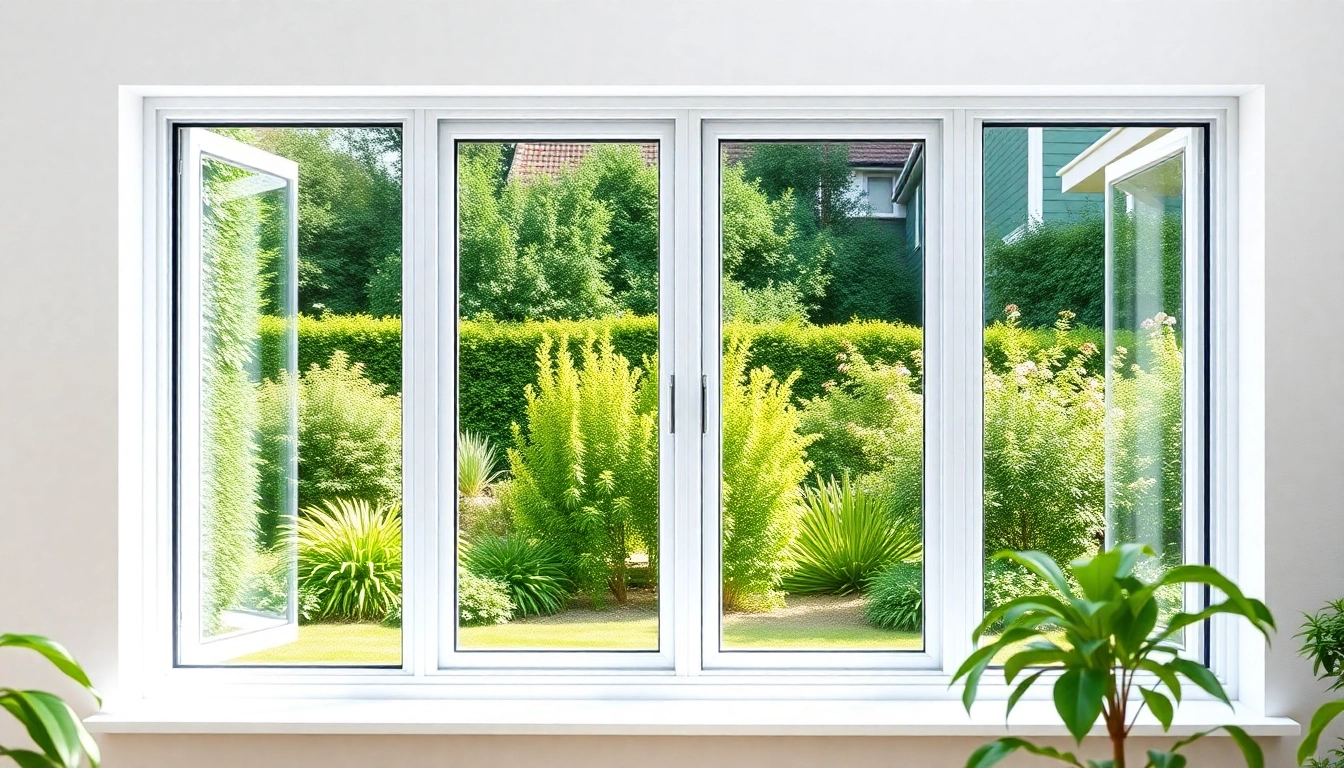
Double glazed windows, also known as insulated glazing, consist of two separate panes of glass sealed together, creating an air pocket between them. This construction significantly improves a window’s thermal insulation properties and reduces heat transfer. With the growing emphasis on energy efficiency and sustainability in modern home design, double glazed windows have emerged as a favored choice among homeowners looking to enhance comfort and reduce energy costs.
How Do Double Glazed Windows Work?
The primary mechanism that allows double glazed windows to work effectively is the airspace or gas-filled gap between the two panes of glass. This gap typically contains either air or a gas such as argon or krypton; both serve as thermal insulators, greatly reducing the conduction of heat. When external temperatures fluctuate, the air or gas trapped between the panes acts as a buffer, minimizing the amount of heat that escapes or penetrates the home. As a result, homes equipped with these windows tend to maintain a more constant indoor temperature, contributing to overall energy efficiency.
Common Materials Used in Double Glazing
The most common materials used for double glazed window frames include PVCu (polyvinyl chloride), aluminium, wood, and composite materials.
- PVCu: Known for its durability and low maintenance requirements, PVCu frames can effectively resist weathering and are often the most cost-effective option.
- Aluminium: This material is strong and can accommodate larger panes of glass, making it ideal for modern aesthetics while also being energy efficient when thermally broken.
- Wood: Offering excellent thermal performance and a classic appearance, wooden frames require more maintenance compared to synthetic materials.
- Composite: Combining materials like wood and aluminium, composite frames provide the best of both worlds – durability and aesthetics.
Benefits of Double Glazed Windows
Energy Efficiency and Cost Saving
One of the most significant advantages of double glazed windows is their energy efficiency. They minimize heat loss during winter and reduce heat gain in the summer months, allowing homeowners to enjoy lower energy bills. Research indicates that up to 25% of household heat loss occurs through windows. By investing in double glazing, homeowners can recoup their initial costs through savings on heating and cooling bills, often within a few years.
Noise Reduction Advantages
Double glazed windows also offer exceptional noise reduction properties. The air gap between the two glass panes functions as a buffer, greatly diminishing noise from outside. This is particularly beneficial in urban areas with higher levels of traffic and other ambient noise. Studies show that double glazing can reduce outside noise by up to 60%, making homes more peaceful and comfortable.
Improved Property Value
Installing double glazed windows can increase a home's overall property value. Potential buyers often perceive these windows as a positive feature, leading to quicker sales at higher prices. Since energy efficiency is a major selling point in today's real estate markets, homes equipped with double glazing may attract more interest. Furthermore, many energy efficiency incentives and rebates exist for homes that utilize such energy-efficient products, making them a smart choice for both current and future homeowners.
Installation Process of Double Glazed Windows
Choosing a Reliable Installer
Selecting the right installer is critical to ensure the longevity and performance of double glazed windows. Homeowners should seek experienced professionals with positive reviews and testimonials. Look for certifications from relevant bodies that underscore their expertise in window installation. Evaluating previous work through referrals and consulting with past customers can provide essential insights into the quality of the installer.
Preparation for Installation
Before the installation day, homeowners should prepare their space by removing any curtains, blinds, or furniture that may obstruct the installers. It’s also advisable to check the weather conditions on the installation day to avoid complications. Proper preparations can ensure a smoother installation, reducing the time required and avoiding potential inconveniences.
Post-Installation Care and Maintenance
After installation, proper maintenance of double glazed windows includes regular cleaning and inspections. Homeowners should clean the window frames and glass periodically with non-abrasive solutions to maintain clarity and functionality. Inspecting seals and gaskets for wear can prevent costly repair issues in the future. Many manufacturers provide maintenance guides that can aid homeowners in prolonging the life of their windows.
Common Myths About Double Glazed Windows
Discussing Initial Costs
A common misconception is that double glazed windows are prohibitively expensive. While their initial cost can be higher than single-glazed alternatives, the long-term savings on energy bills and increased property value often make them a wise investment. Over time, the return on investment can surpass initial expenditures.
Durability and Longevity Myths
Some people believe that double glazed windows are less durable than traditional windows, but this is not true. With proper installation and maintenance, properly constructed double glazed windows can last for decades. High-quality materials used in these windows significantly enhance their lifespan and performance.
Compatibility with Architectural Styles
Another misconception is that double glazed windows only suit modern homes. In reality, they are available in a variety of styles, including traditional designs that can seamlessly blend with older architectural styles, maintaining the aesthetic integrity of historic homes while providing modern energy efficiency.
Frequently Asked Questions About Double Glazed Windows
What are the disadvantages of double glazed windows?
While double glazed windows are beneficial, they may trap heat in warmer climates, possibly leading to increased cooling costs. Furthermore, repair of damaged units can be complicated and more expensive than single-pane options.
How much do double glazed windows cost?
The cost for double glazed windows typically varies between £700 and £1,800 based on material type, size, and design. Each project can differ significantly depending on individual requirements.
What's the difference between double-pane and double-glazed windows?
Double-glazed windows and double-paned windows refer to the same product, featuring two glass panes separated by either air or gas. Both terms are interchangeable and focus on insulation capabilities.
Are double glazed windows worth the investment?
Yes, many homeowners find the energy savings and comfort during extreme weather conditions justify the initial costs. Over time, energy-efficient benefits can outweigh upfront investments.
How can double glazed windows improve noise reduction?
The air or gas between the two panes of glass acts as an effective sound barrier, significantly lessening external noise. This can disrupt the peace within a home, especially in noisy urban settings.